
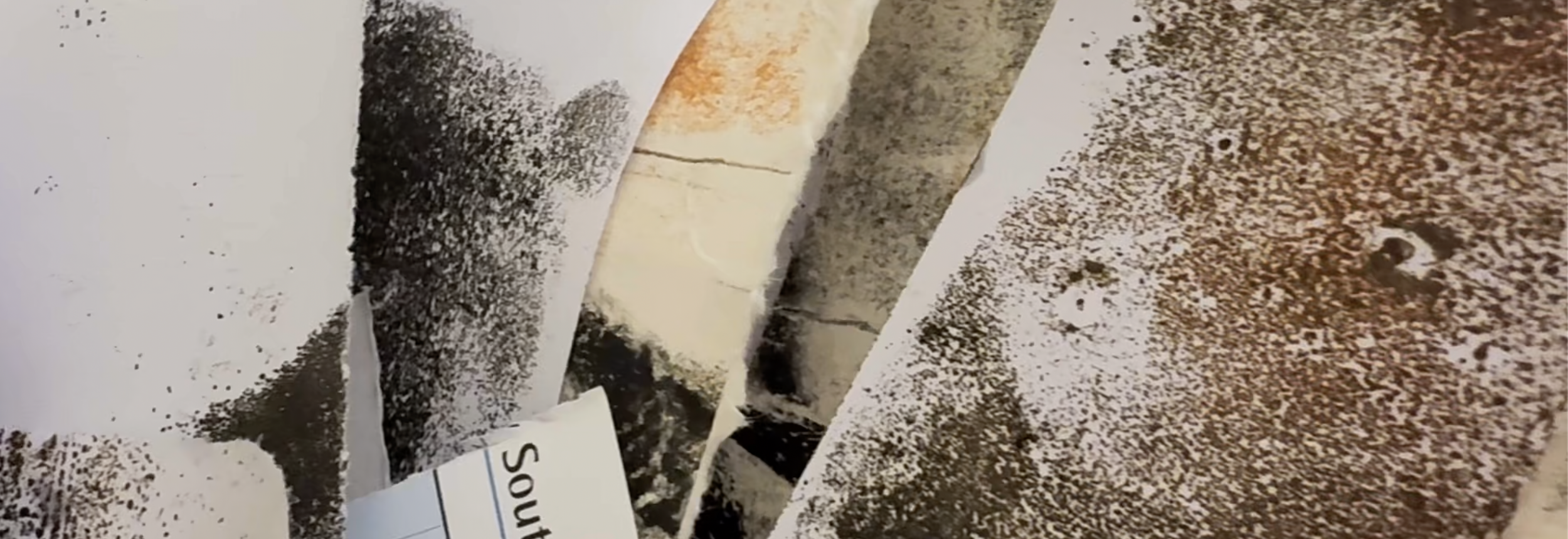
Experimental Monotype Printmaking Course
with Francesco Geronazzo
Explore the unique potential of monotype, push the boundaries of process, and elevate your artistic practice.
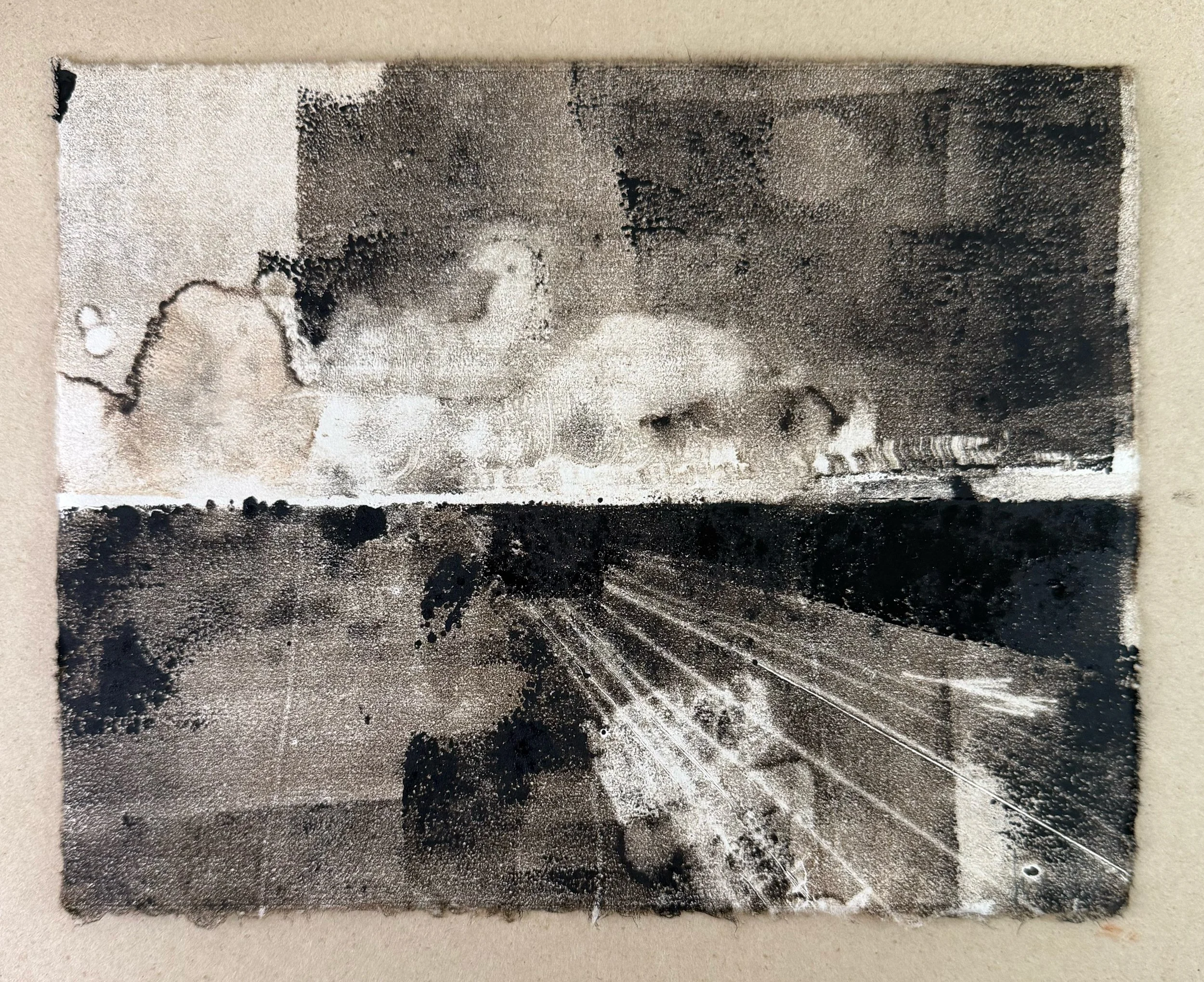
Who This Course Is For
This online printmaking course is taught by internationally recognised printmaker Francesco Geronazzo and is designed for artists who want to explore experimental monotype printmaking as a contemporary creative practice. The course offers an in-depth exploration of the expressive, material, and conceptual possibilities of monotype, one of the most intuitive and dynamic print processes.
Suitable for artists at different stages of their practice, this course supports the development of confidence in both conceptual decision-making and hands-on printmaking techniques. Under Francesco’s guidance, participants will explore methods for generating ideas, working intuitively with ink, plate, and surface, and embracing chance and unpredictability as active elements within the printing process.
As the course progresses, you will deepen your understanding of monotype printmaking as a contemporary art form, strengthen your visual language, and gain practical strategies for sustaining an engaged, reflective, and experimental printmaking practice.
What is Monotype Printmaking?
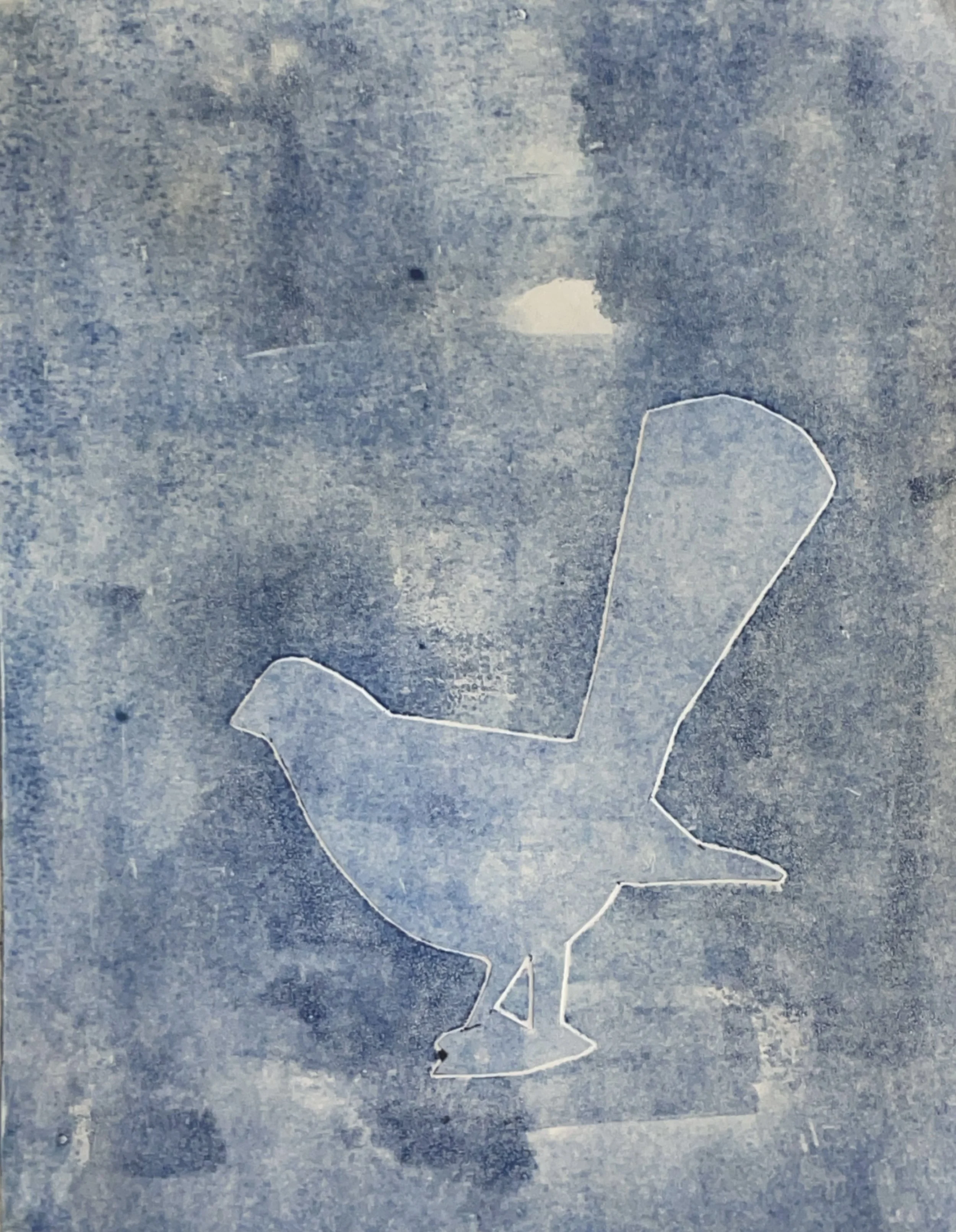
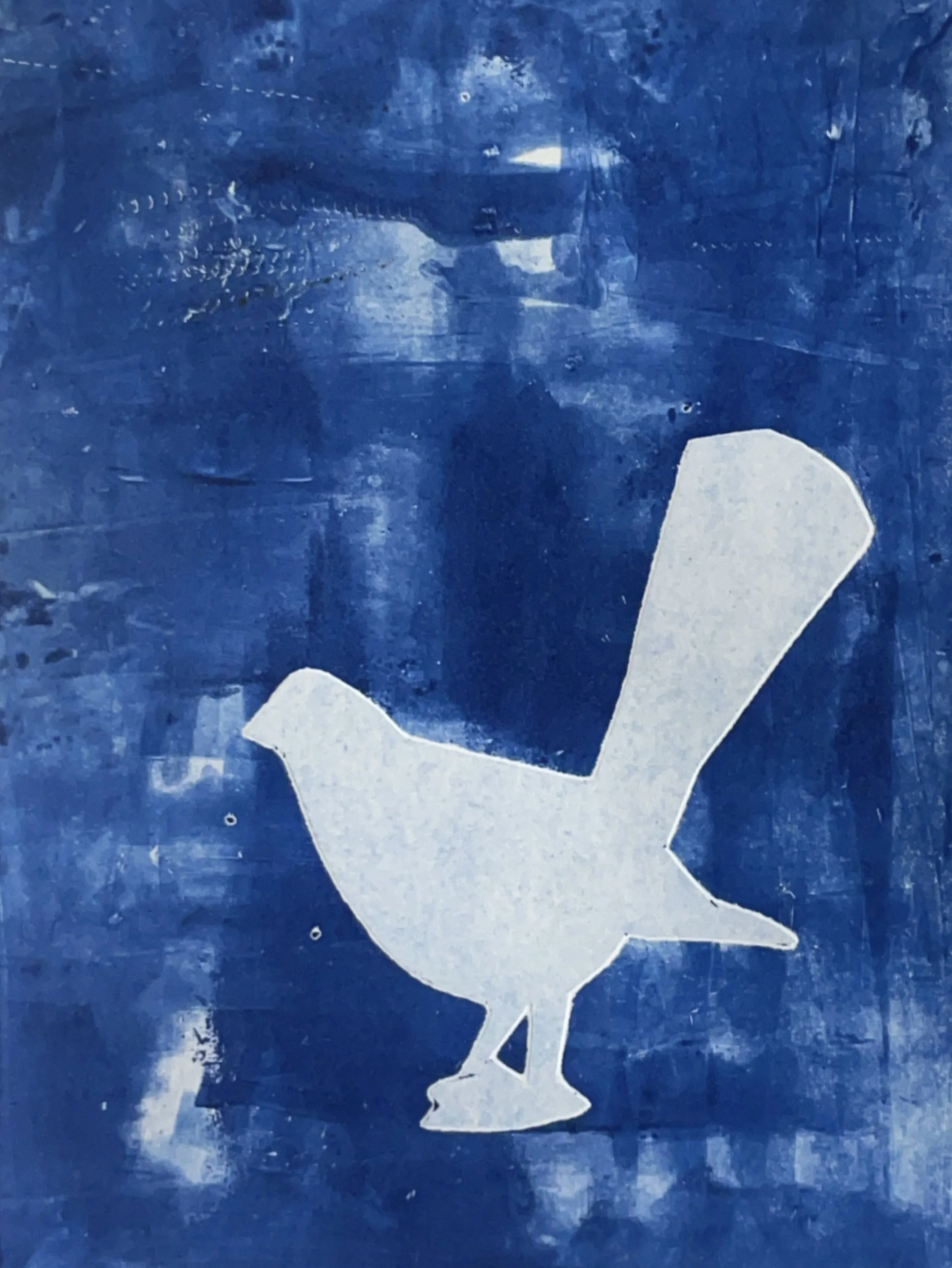
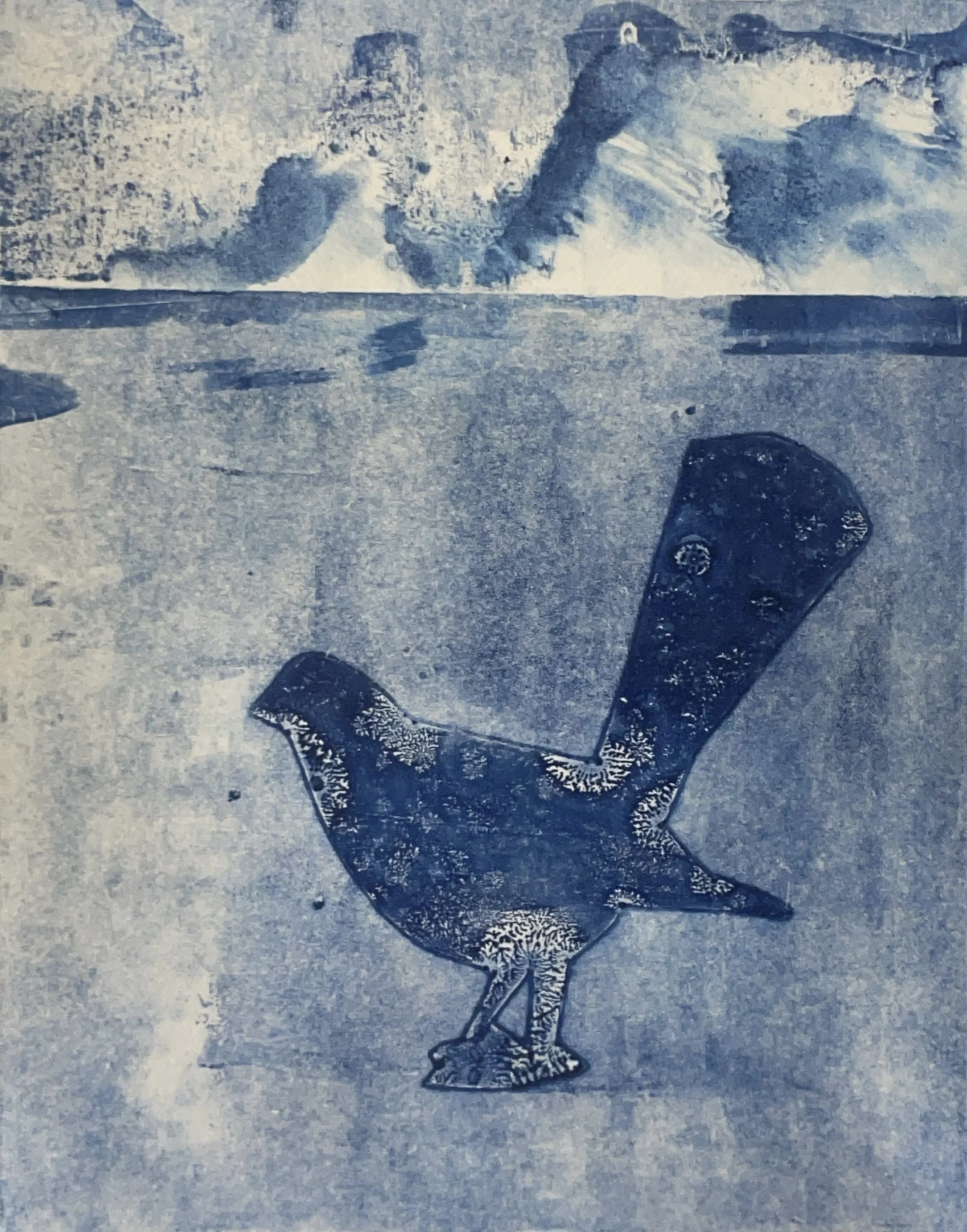
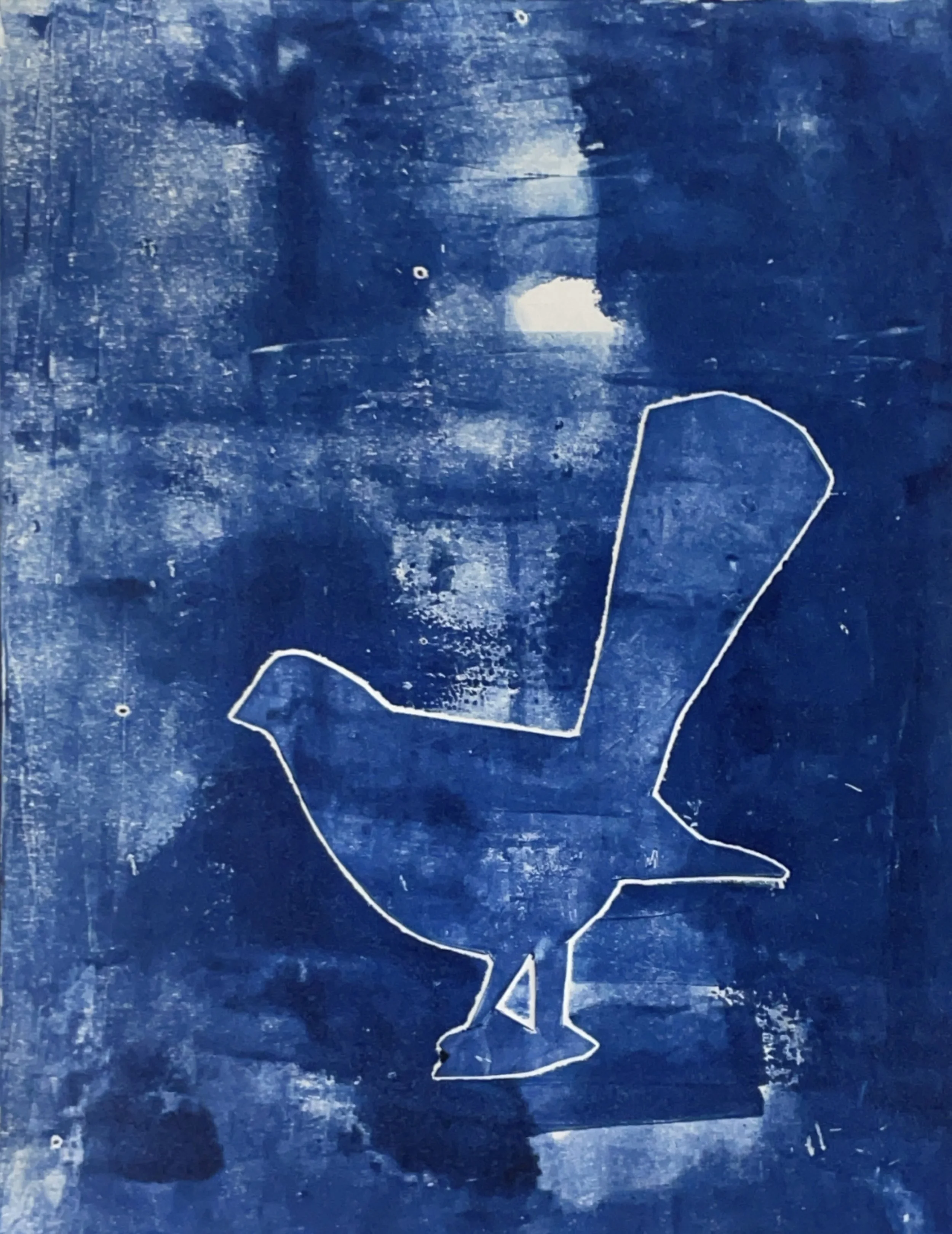
Monotype is a unique printmaking process where artists paint, roll, or draw directly onto a smooth plate (glass, metal, or acrylic) using ink or paint. Paper is then pressed against the inked surface to transfer the image, creating a one-of-a-kind impression, each print is unique since the plate cannot be exactly replicated. This painterly technique celebrates spontaneity, texture, and the beauty of chance, blending drawing, painting, and printing into an immediate, expressive art form.
View Francesco’s work here and learn more about Margaret River Printmaking here.
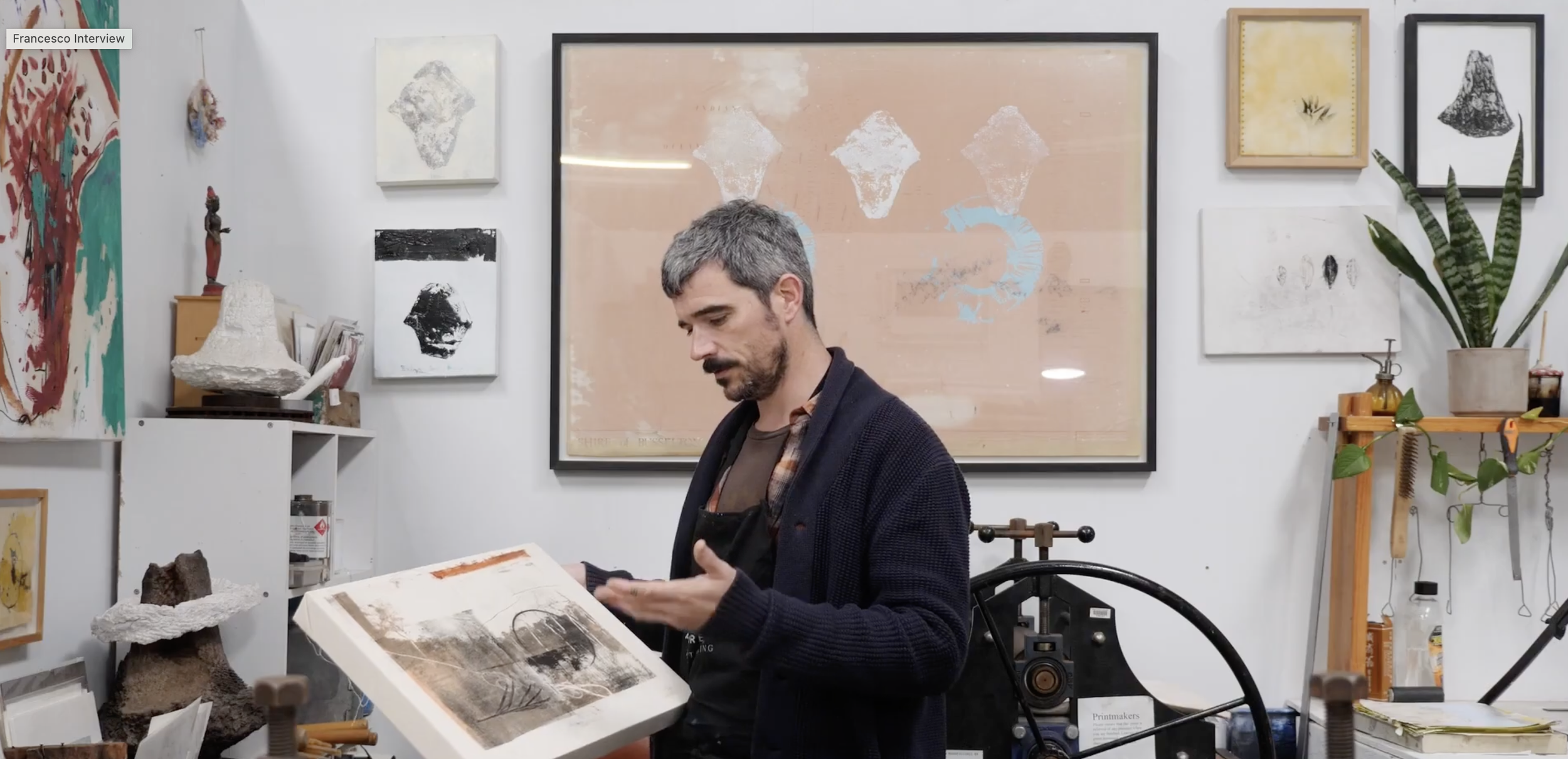
Artist Interview: Francesco Geronazzo – Experimental Printmaking, Place, and Process
“For me, printmaking is about staying curious, exploring the process deeply with discipline, openness, and a willingness to keep learning. Curiosity opens possibilities, while discipline allows the work to reach its full potential. Printmaking becomes a way to connect to land, memory, and experience through direct, physical engagement with materials. After the first print, that’s where the real work begins, responding, adding, and allowing the process to evolve beyond tradition. I approach teaching in the same way: not by telling people what to do, but by sharing passion and authenticity, because that’s what truly inspires learning.”
Francesco Geronazzo
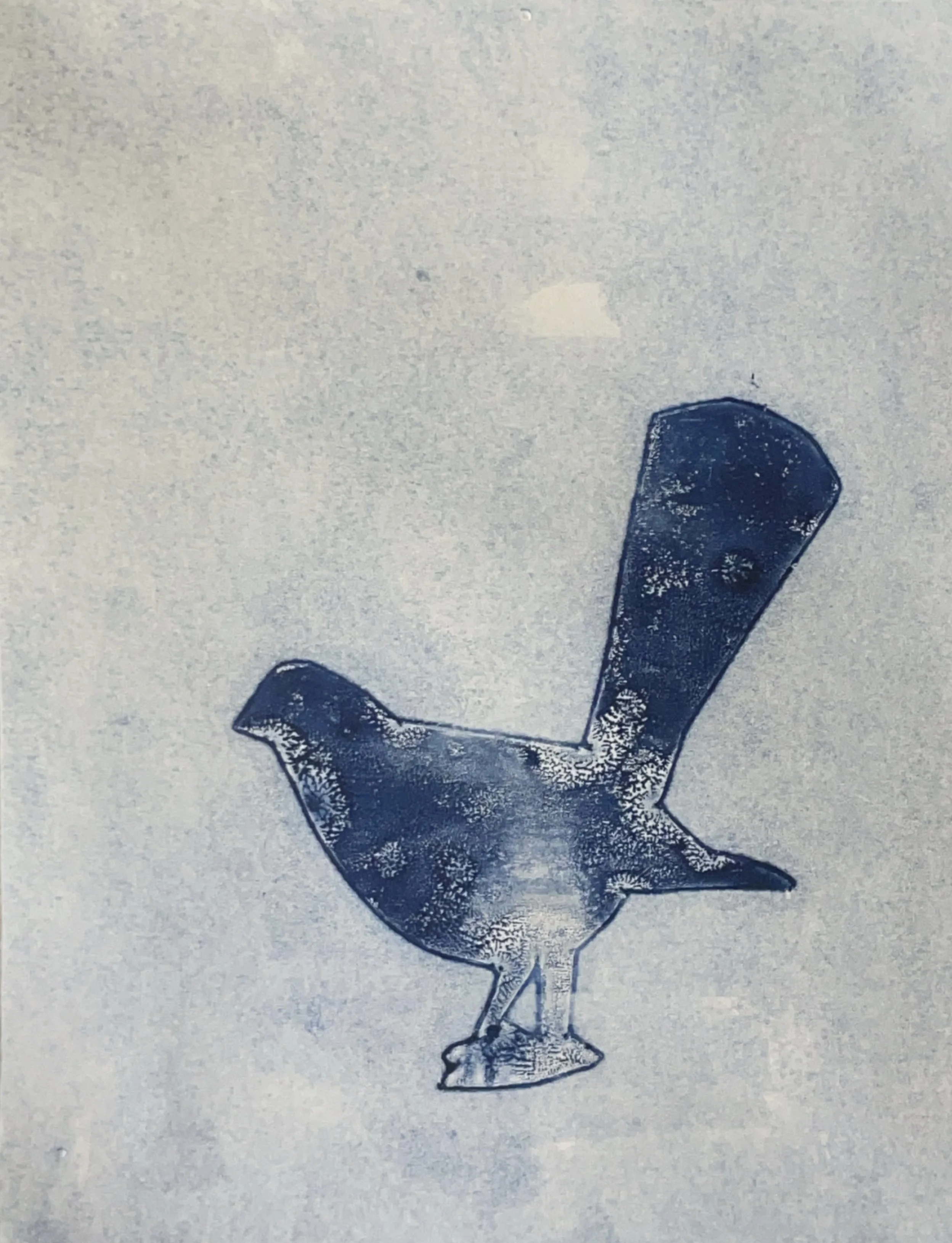
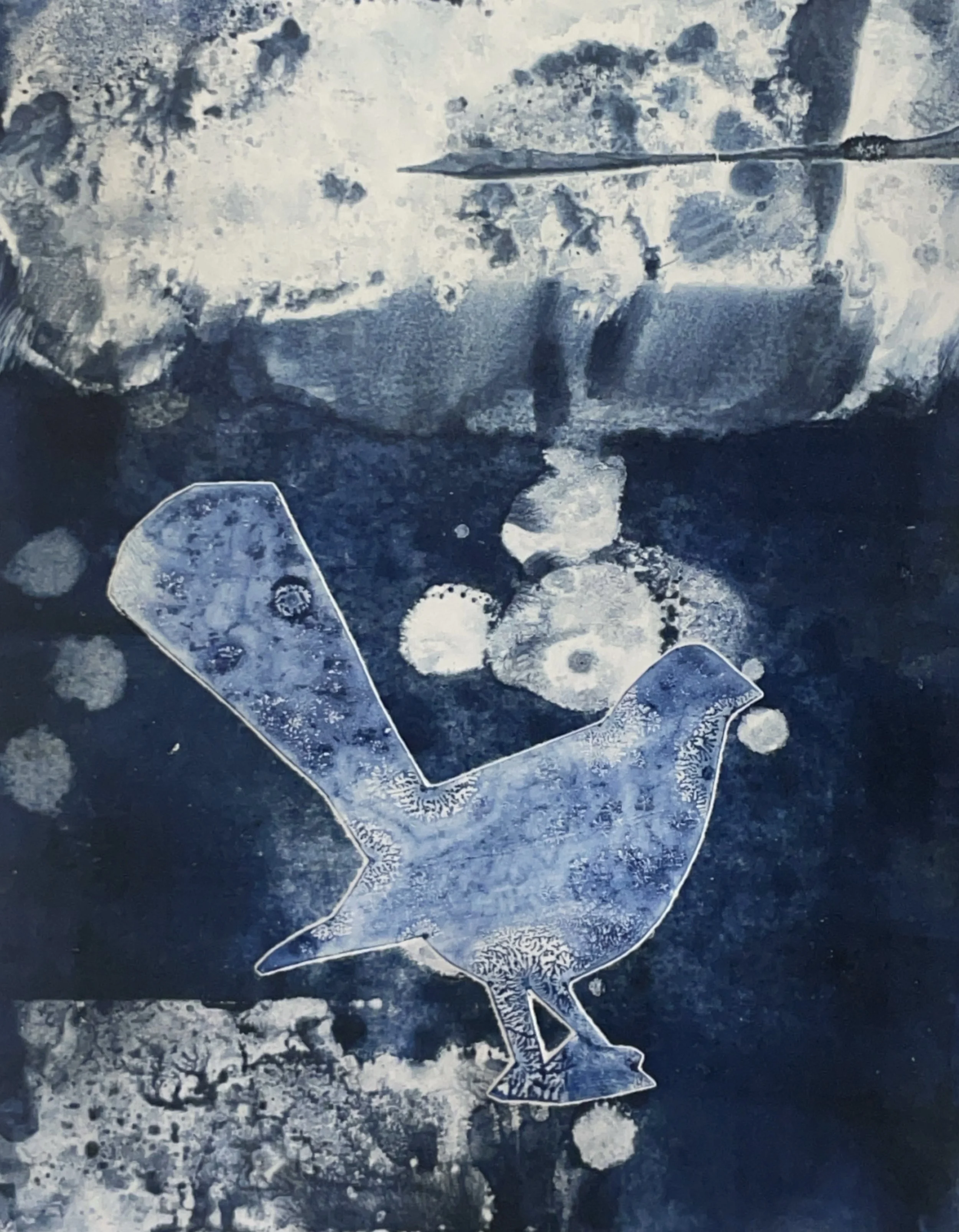
What You’ll Learn & Course Structure
-
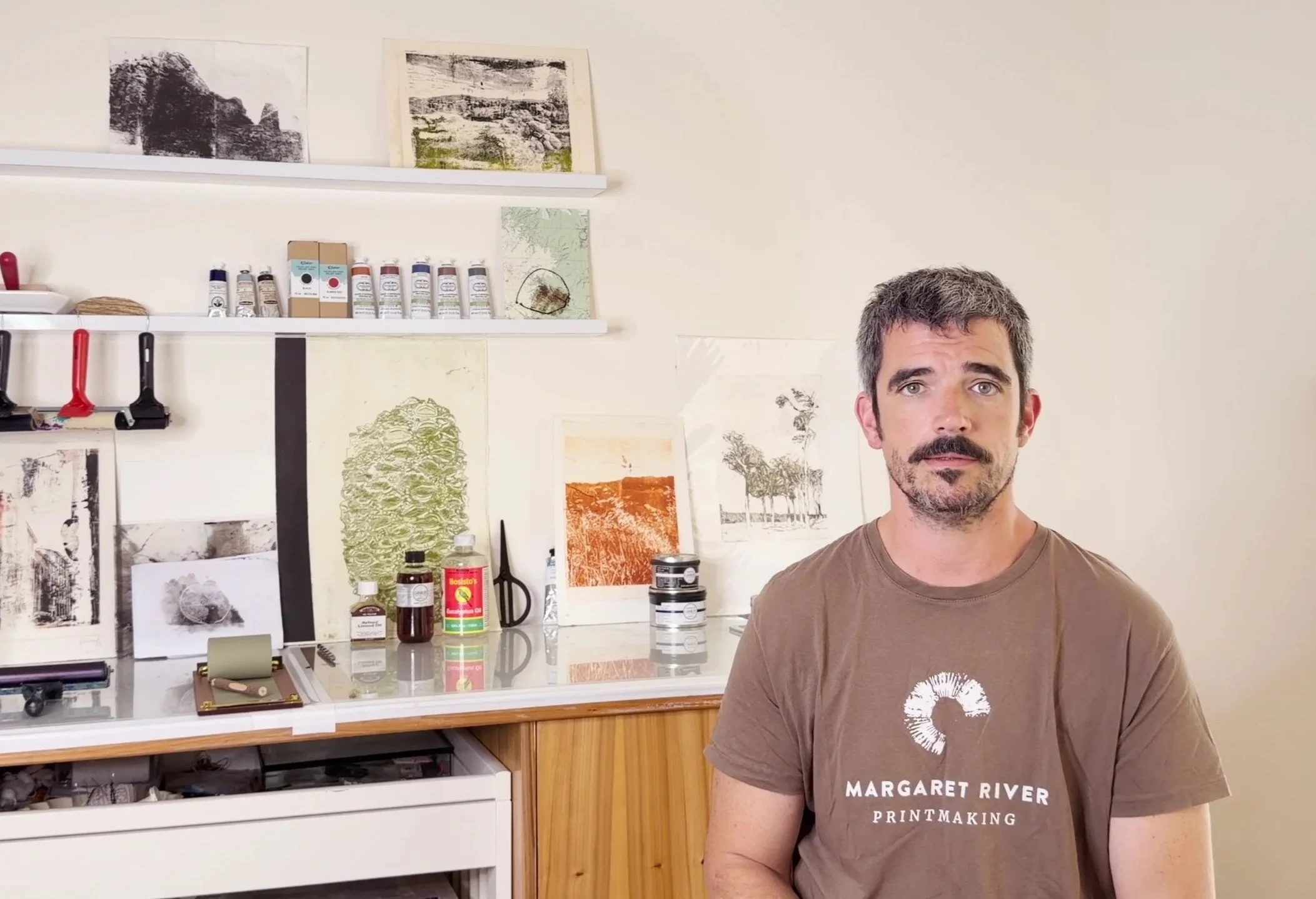
Begin the course with an introduction to Francesco Geronazzo and his approach to monotype printmaking as an expressive and experimental practice. In this section, Francesco:
introduces monotype within the wider field of printmaking,
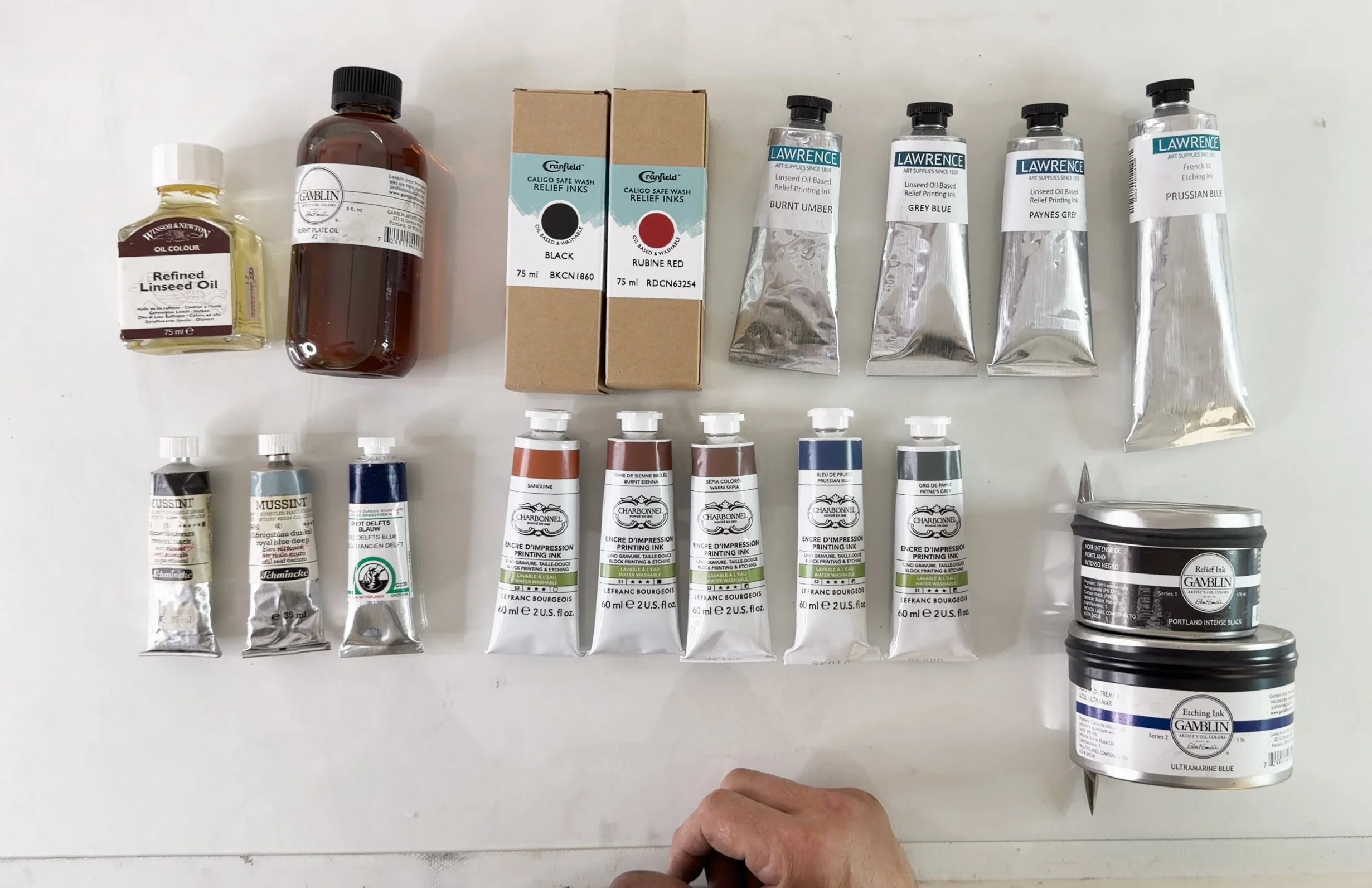
discusses the materials used throughout the course including papers, inks, plates and tools,
explains how to set up a printing press
explains how to work safely in printmaking studio contexts.
You will also be guided through recommended books and resources and introduced to influential and contemporary artists from printmaking and related disciplines whose practices offer broader creative and conceptual inspiration.

-
In the second part of the course, Francesco:
demonstrates a wide range of monotype techniques, showing how the process can be adapted to different subjects and approaches.
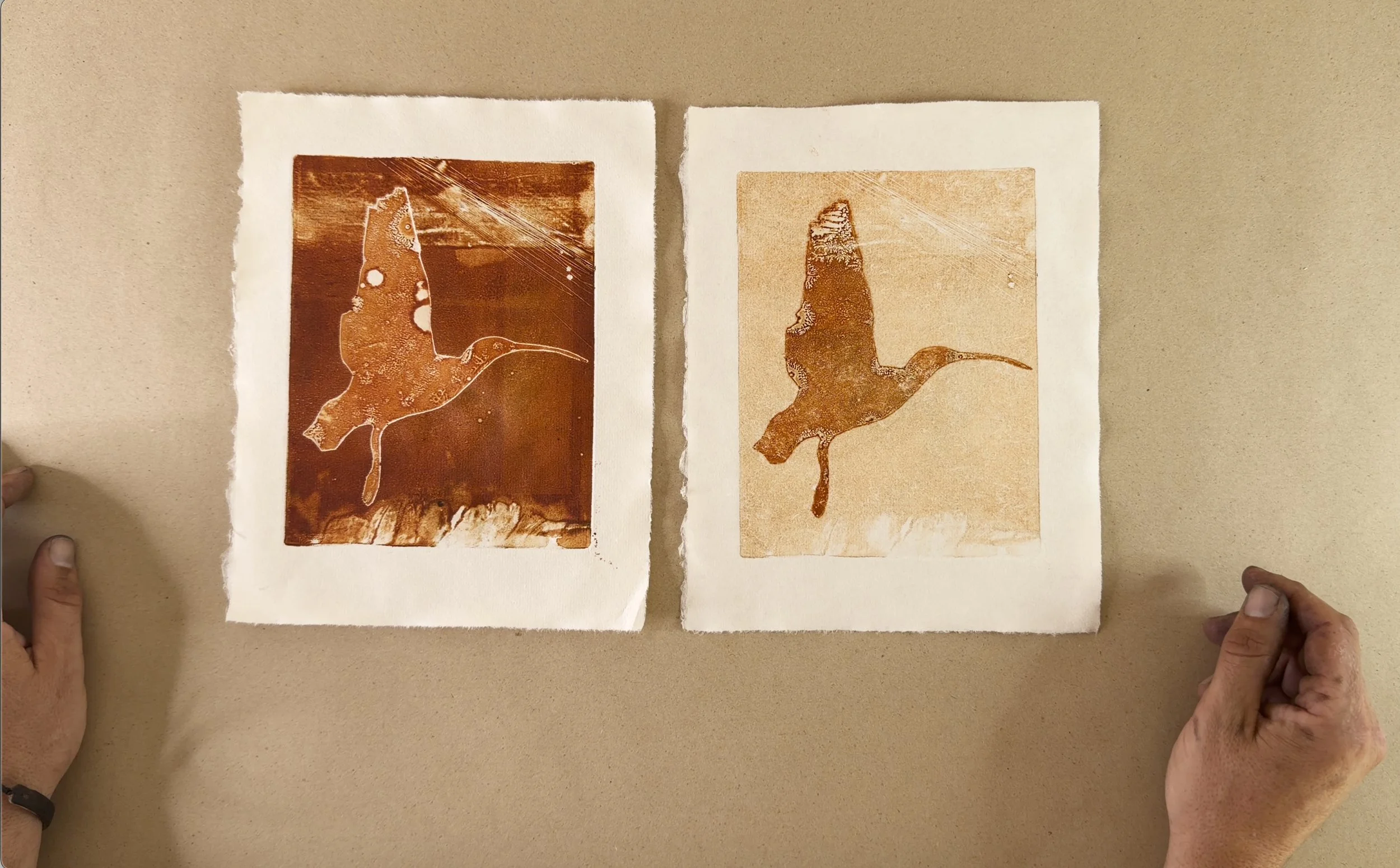
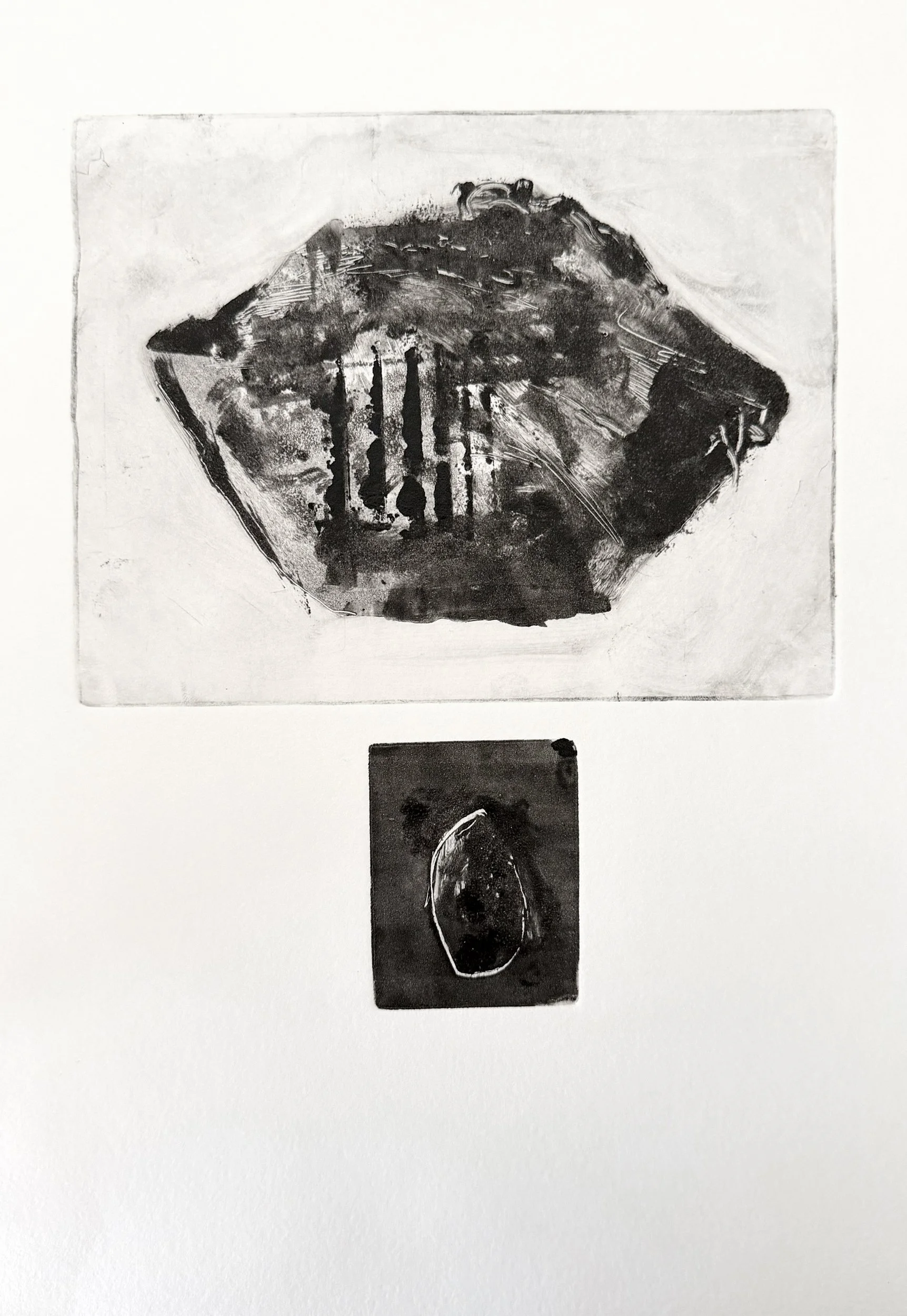
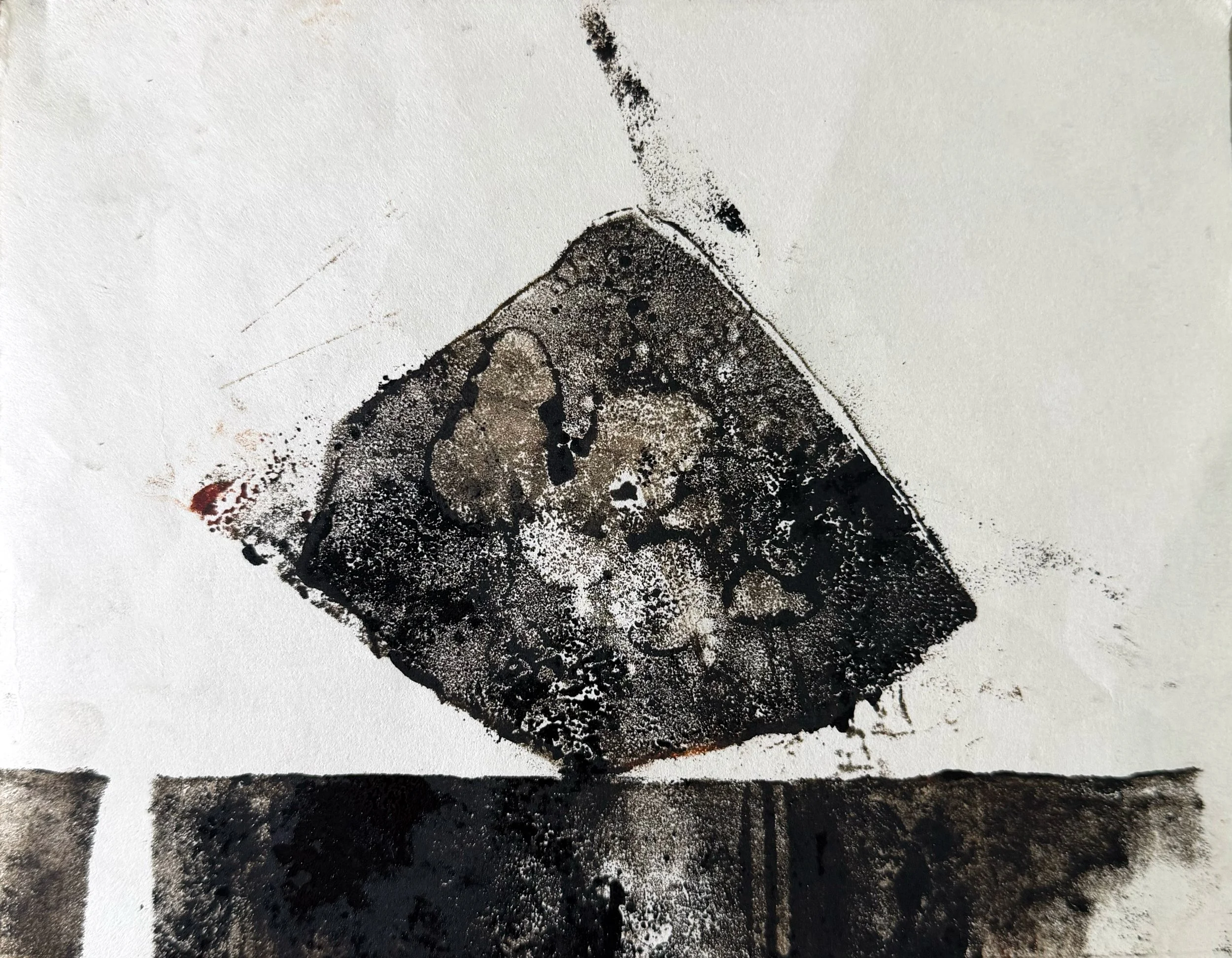
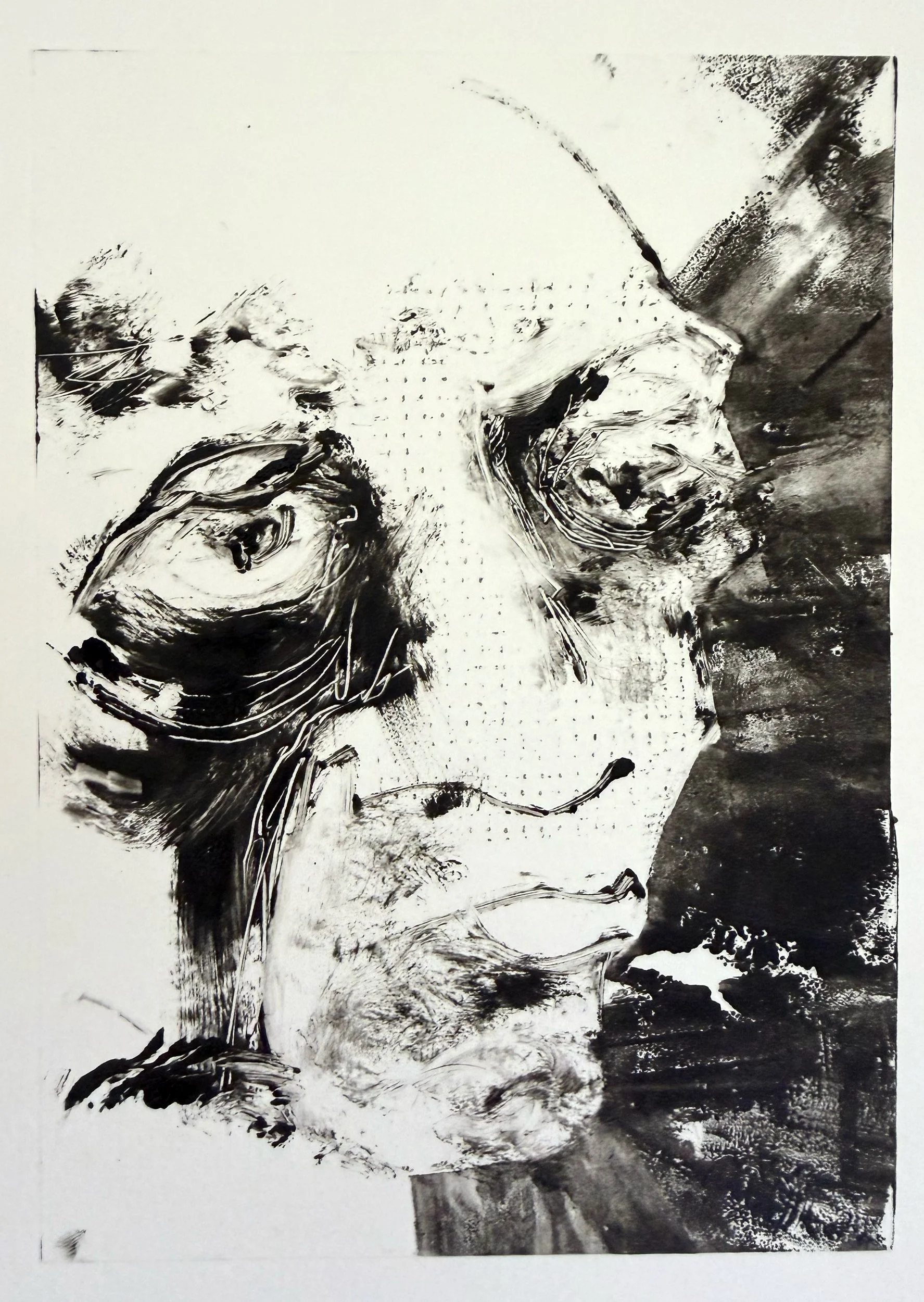
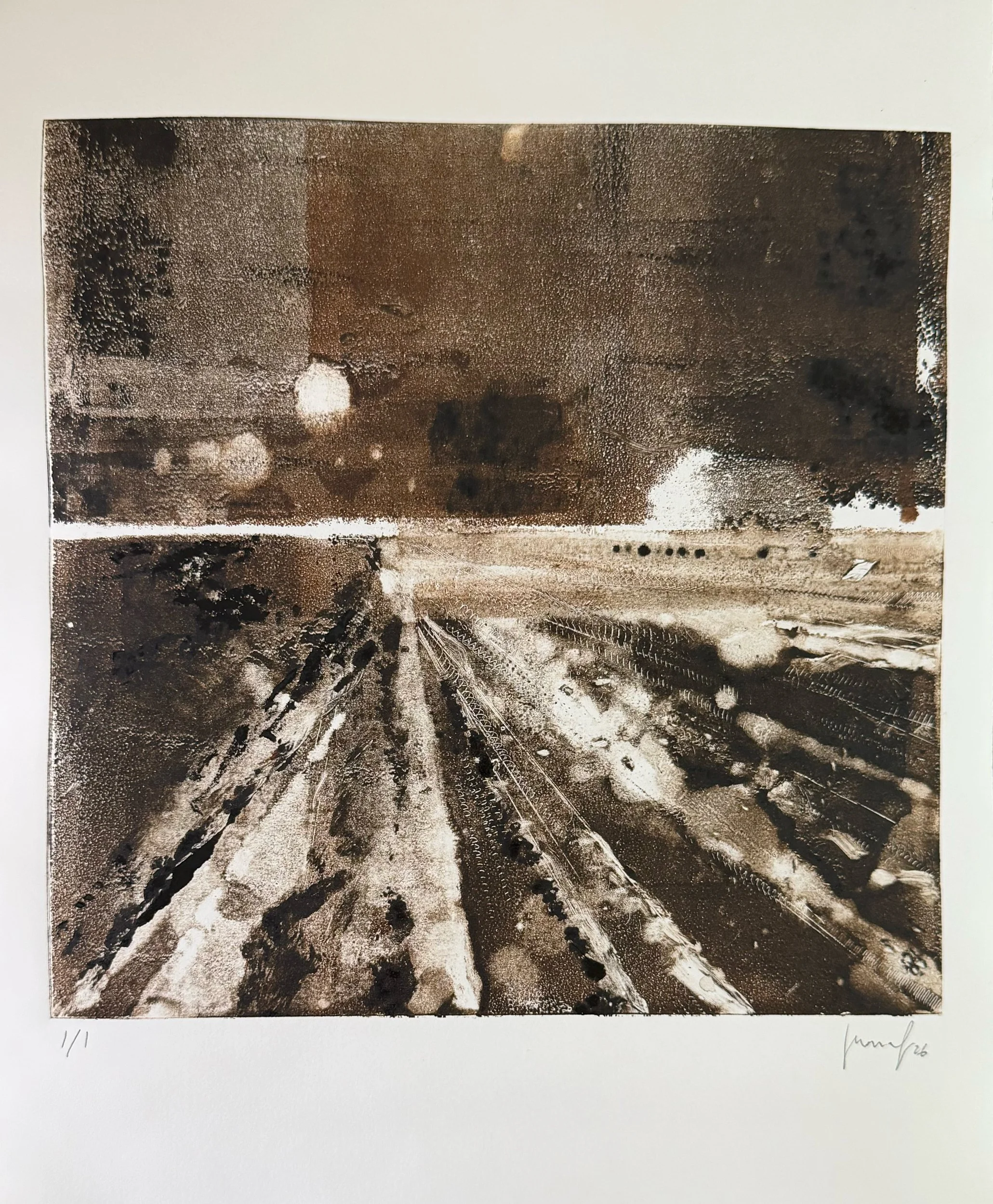
Through practical demonstrations, you will explore monotype applications across portraiture, landscape, birds, and natural forms such as rocks,
while learning how to use a variety of tools for mark making, layering, and tonal variation.
Francesco shares insights into working intuitively with image and surface, responding to the plate as the work develops, and building confidence in experimentation as a core part of monotype practice.
-
In the third part of the course, Francesco:
reviews completed prints and reflects on the outcomes of the monotype process.
This section focuses on assessing works by analysing what has worked well and identifying lessons that can inform the continued development of a series of prints.
You will also explore different ways of presenting and displaying finished works, alongside constructive approaches to reusing less successful prints through collage, book or journal covers, and other creative applications, encouraging a flexible, reflective, and sustainable approach to printmaking practice.
-
In the fourth section of the course, Francesco:
shares insights into developing an authentic artistic voice.
reflects on the balance between conceptual thinking and technical skill,
the role of play, intuition, and chance,
how materials and processes can actively shape the work.
Drawing on key turning points in his own practice, Francesco:
discusses his artistic journey and the lessons learned along the way.
This section also explores what gives work meaning for both artist and viewer, concluding with practical insights to support printmakers in building a confident and evolving practice.
Live Q&A Sessions with Francesco Geronazzo
Have your questions answered during two live Q&A sessions with Francesco Geronazzo.
First Live Q&A: Held on 20 June 2026 at 10:00 am (Perth time). A recording is available to all enrolled students.
Second Live Q&A: Date to be announced (TBA).
Artist BIO Meet Francesco Geronazzo
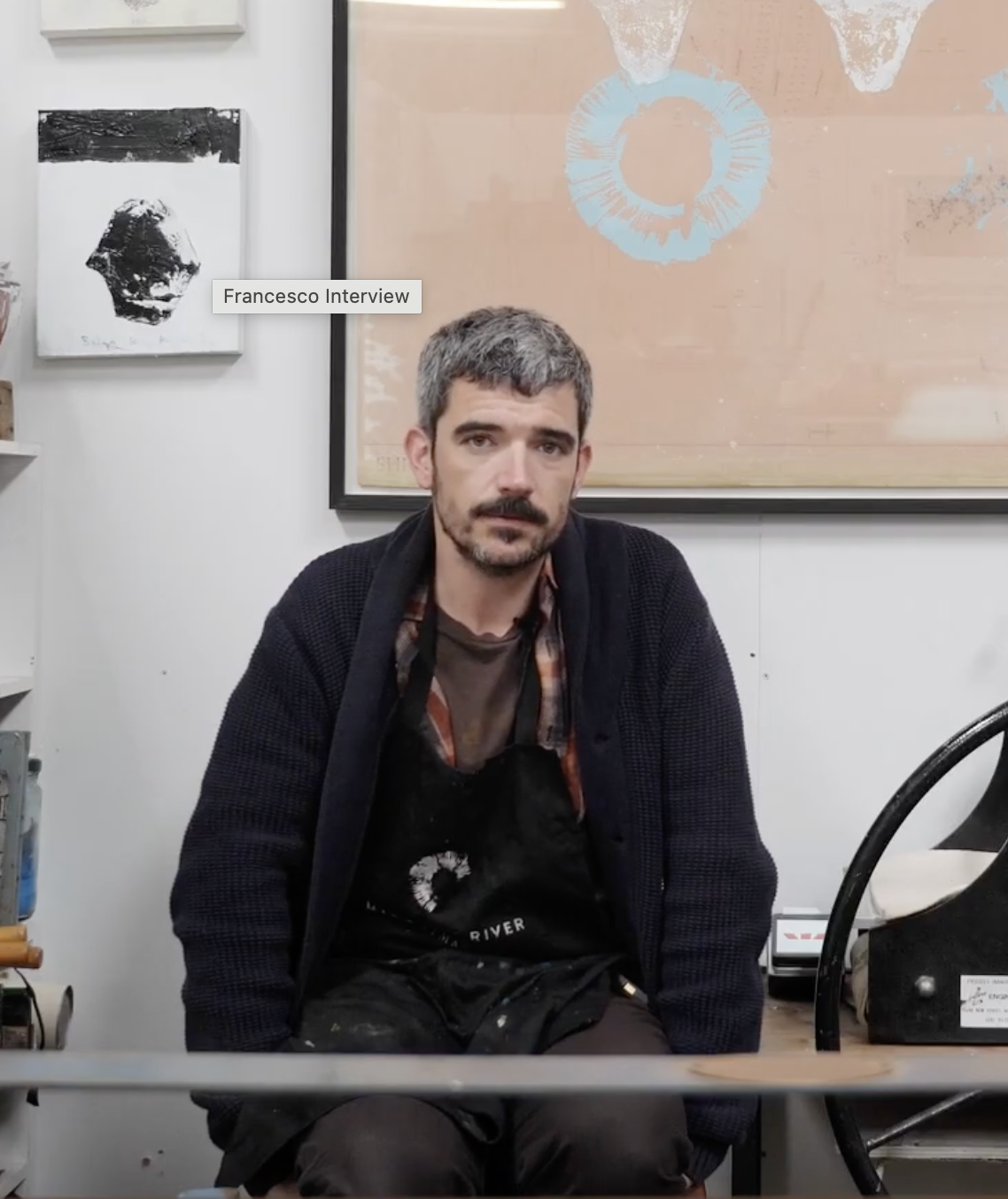
Francesco Geronazzo is an Italian-born printmaker and artist based in Margaret River, Western Australia, whose practice bridges traditional printmaking with contemporary experimentation. With a lifelong dedication to printmaking that began in his teenage years, Francesco has developed a body of work deeply informed by process, materiality, walking, memory, and place.
Francesco trained extensively at the Academy of Fine Arts in Bologna, where he completed six years of printmaking studies under a range of influential teachers, engaging with both classical and experimental approaches. His education was further enriched through international experiences, including a seven-month assistantship in Porto, Portugal, with master printmaker Graciela Machado, and advanced studies in Spain with leading artists and lithography specialists. In 2010, he co-founded Officina de la Stampa in Bologna, a printmaking studio dedicated to education and contemporary practice.
Since relocating to Australia in 2013, Francesco’s work has evolved through a sustained engagement with the Australian landscape. His widely recognised project Connecting with the Land transforms bushwalking into what he terms “quiet performances,” using metal plates attached to his boots to record movement, terrain, and duration directly onto printing surfaces. These works reflect an ongoing dialogue between body, land, and mark-making, shaped by his experience as both an immigrant and an attentive observer of place.
Materiality plays a central role in Francesco’s practice. Alongside pristine cotton papers, he frequently works with found and archival materials, such as maps, documents, notebooks, and discarded papers, valuing their existing histories and traces of lived experience. His more recent works expand printmaking into mixed media, fabric, thread, and sculptural forms, challenging conventional boundaries of the medium. Through projects such as Surroundings and Ink and Thread, including a three-year collaboration with DADAA, Francesco explores connection, community, and the physical act of leaving a mark.
Francesco is the founder of Margaret River Printmaking, an international studio and platform that supports printmaking education, artist residencies, retreats, and collaborative projects across Australia, Italy, and the United States. Through workshops, symposiums, and immersive retreats, he is committed to fostering a global printmaking community grounded in curiosity, discipline, and authenticity.
As an educator, Francesco believes that teaching is not about instruction alone, but about sharing passion, encouraging experimentation, and cultivating disciplined curiosity. His practice and pedagogy are united by a commitment to thoughtful making and to printmaking as a living, evolving language rooted in both tradition and lived experience.
Francesco Geronazzo Printmaking Portfolio
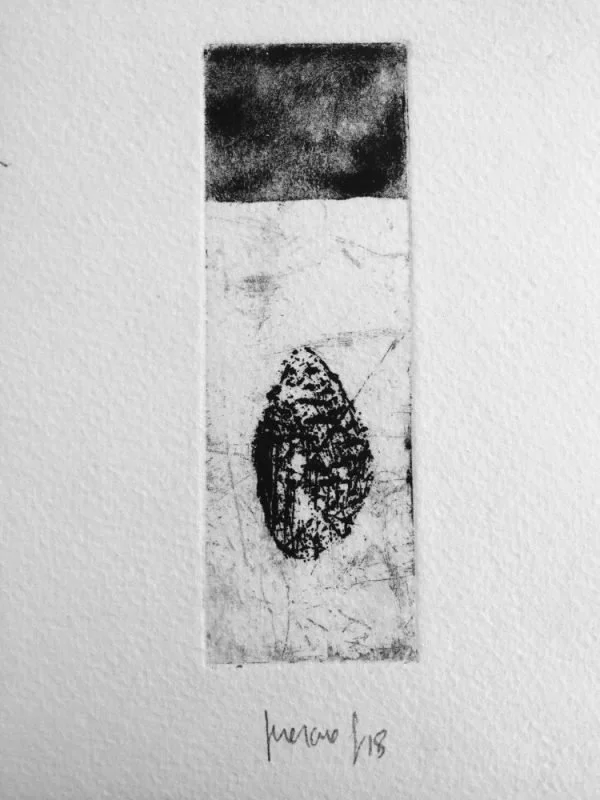
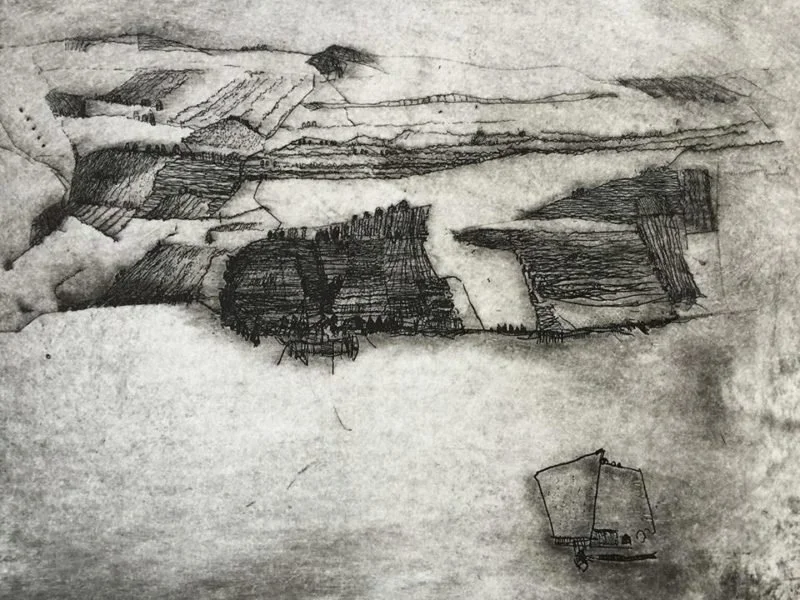
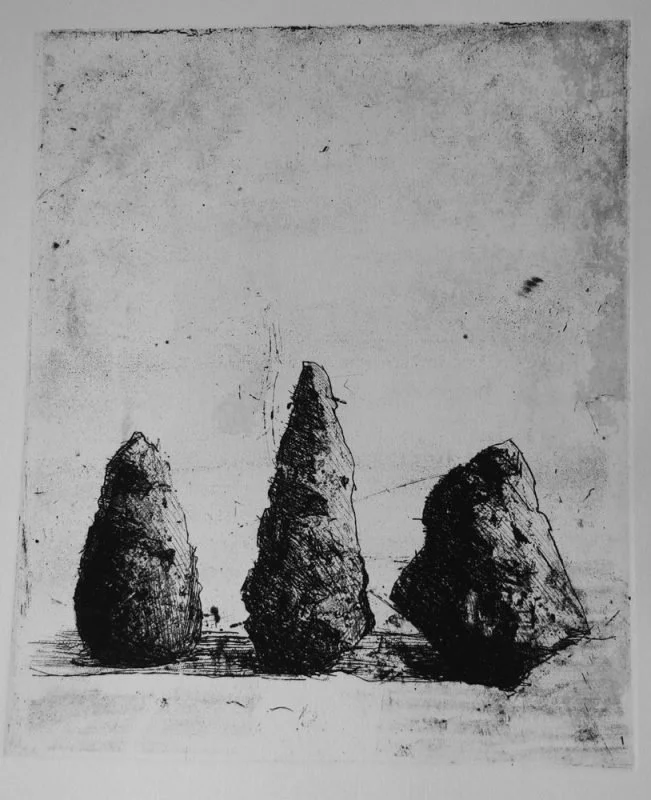
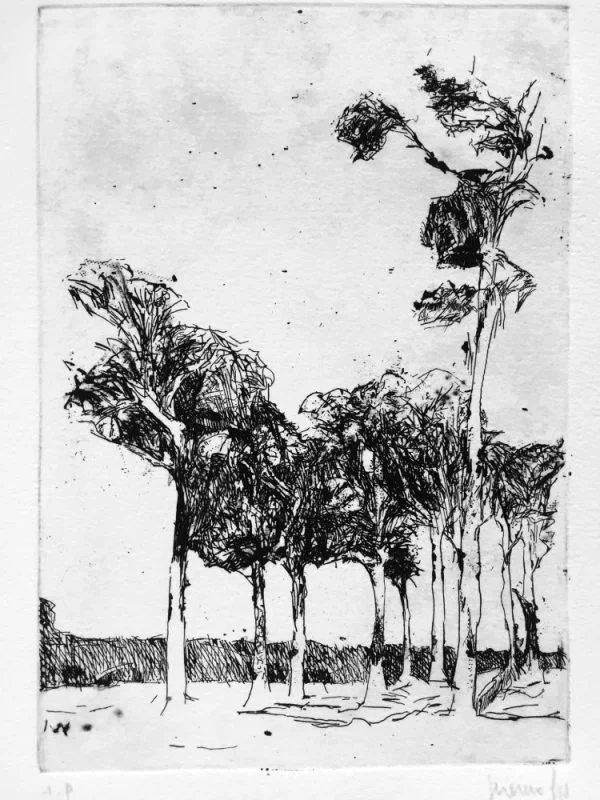
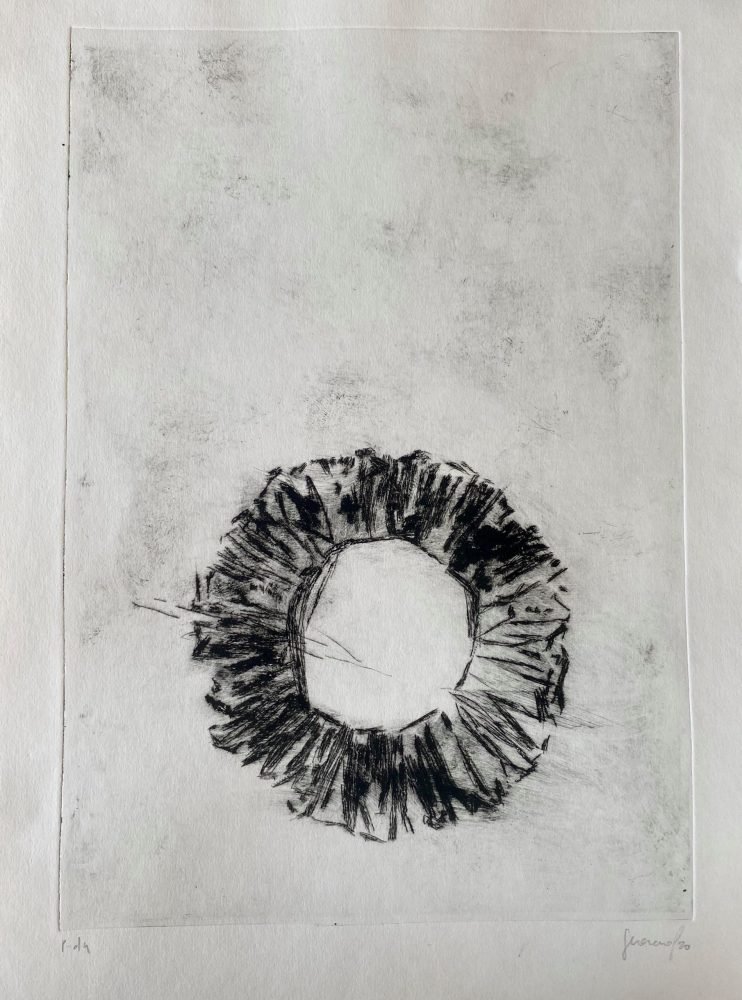
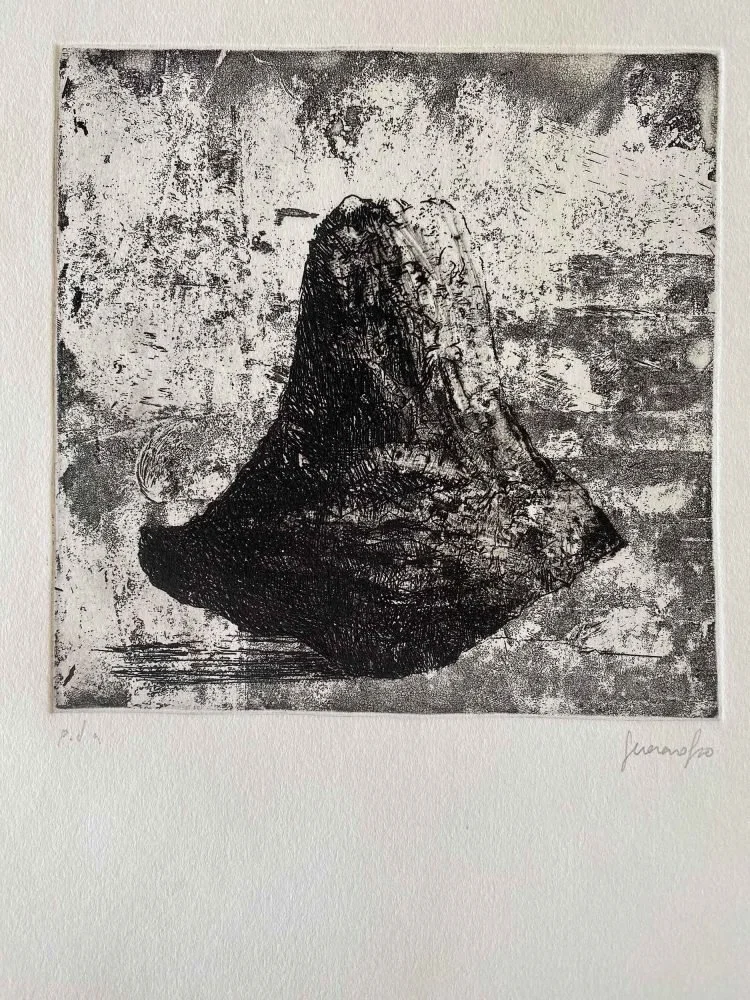
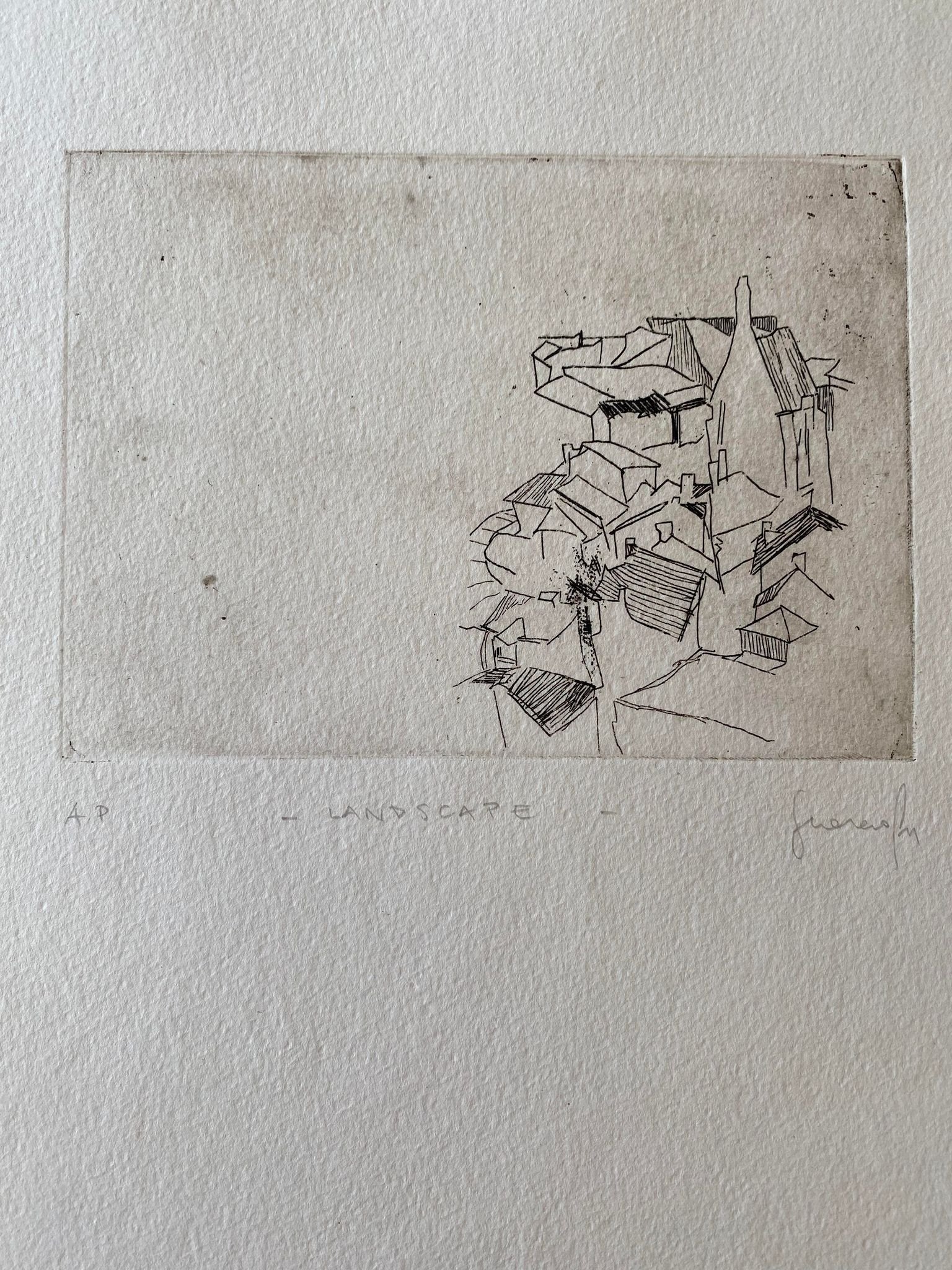
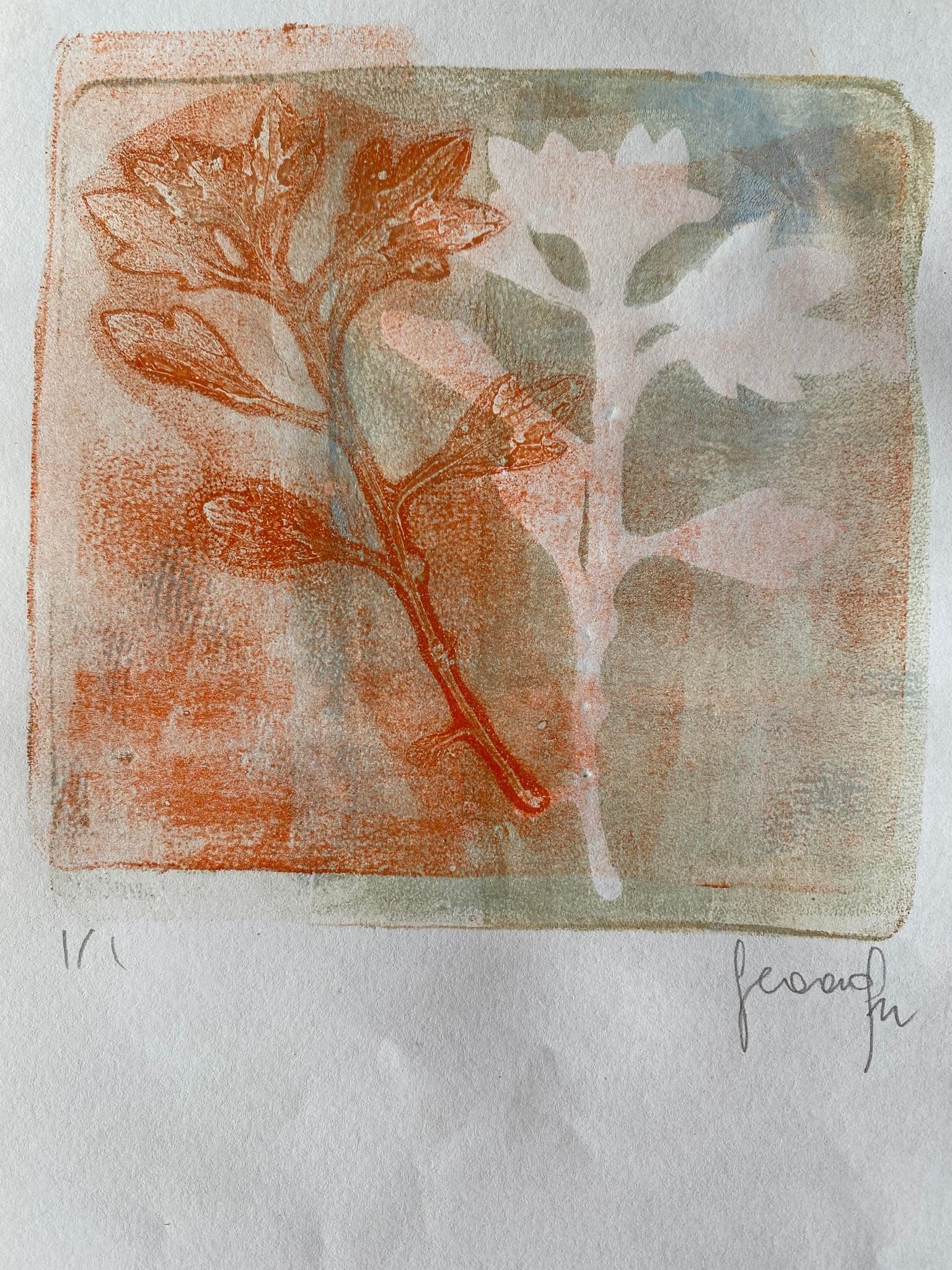
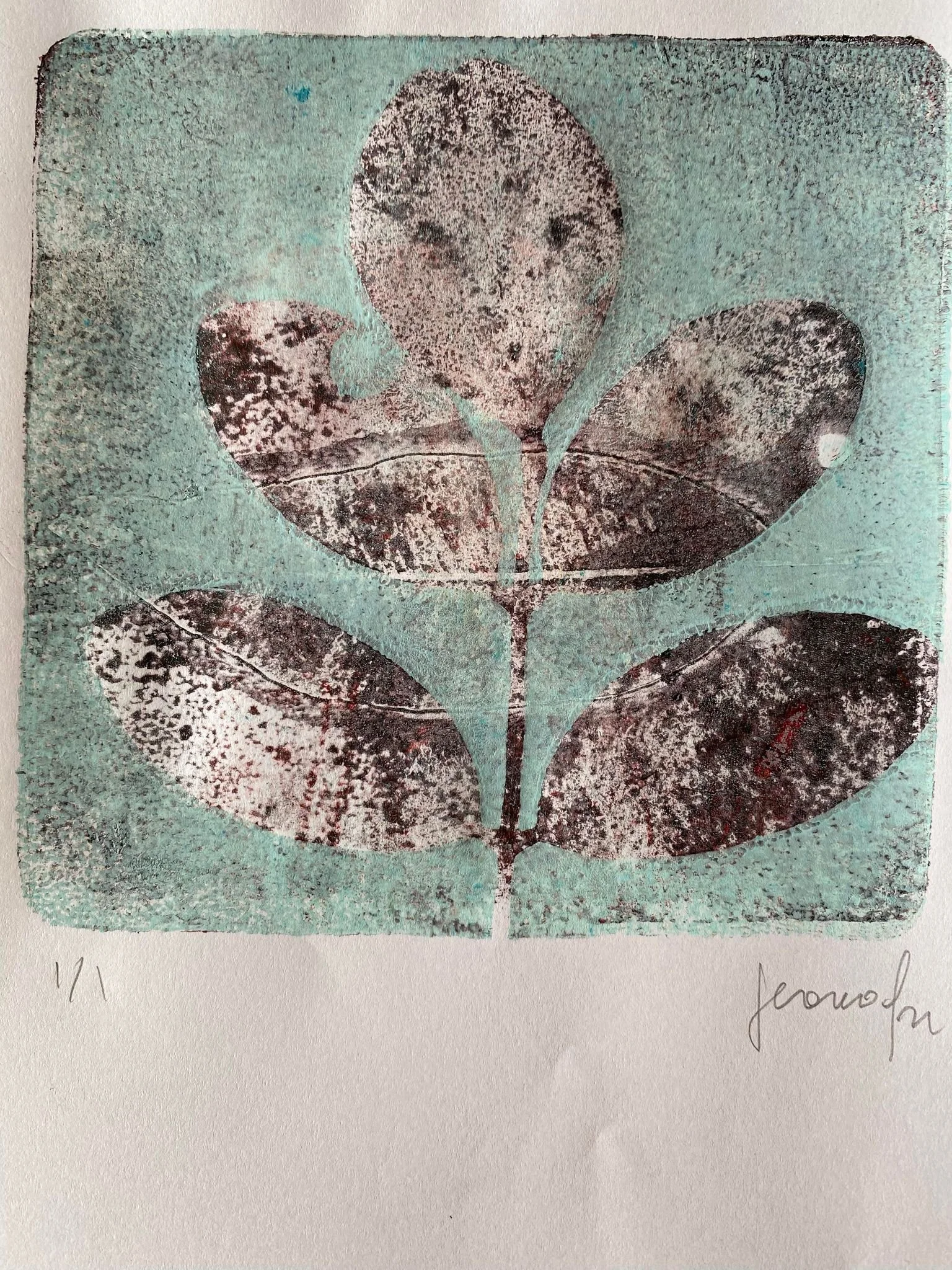
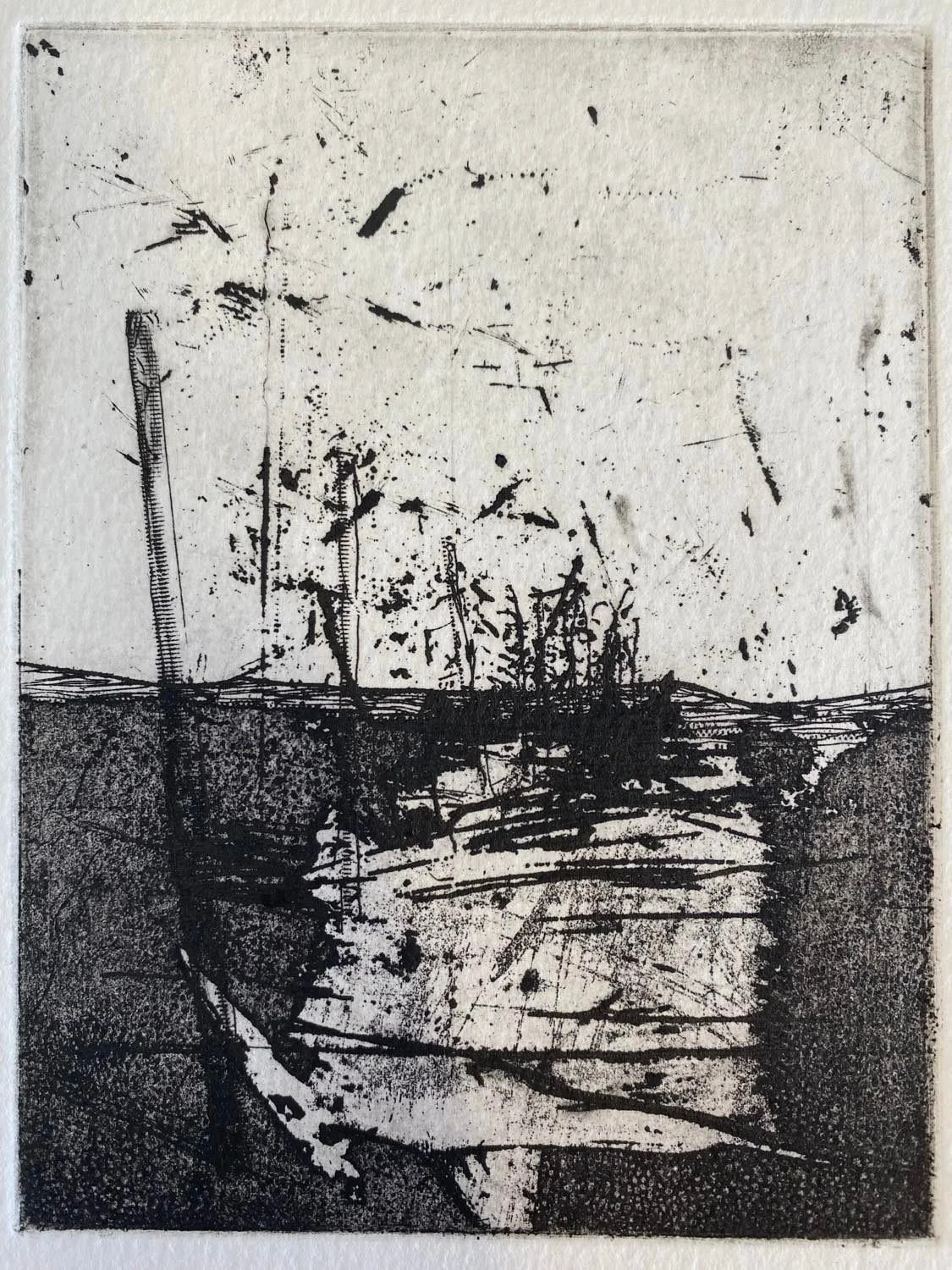
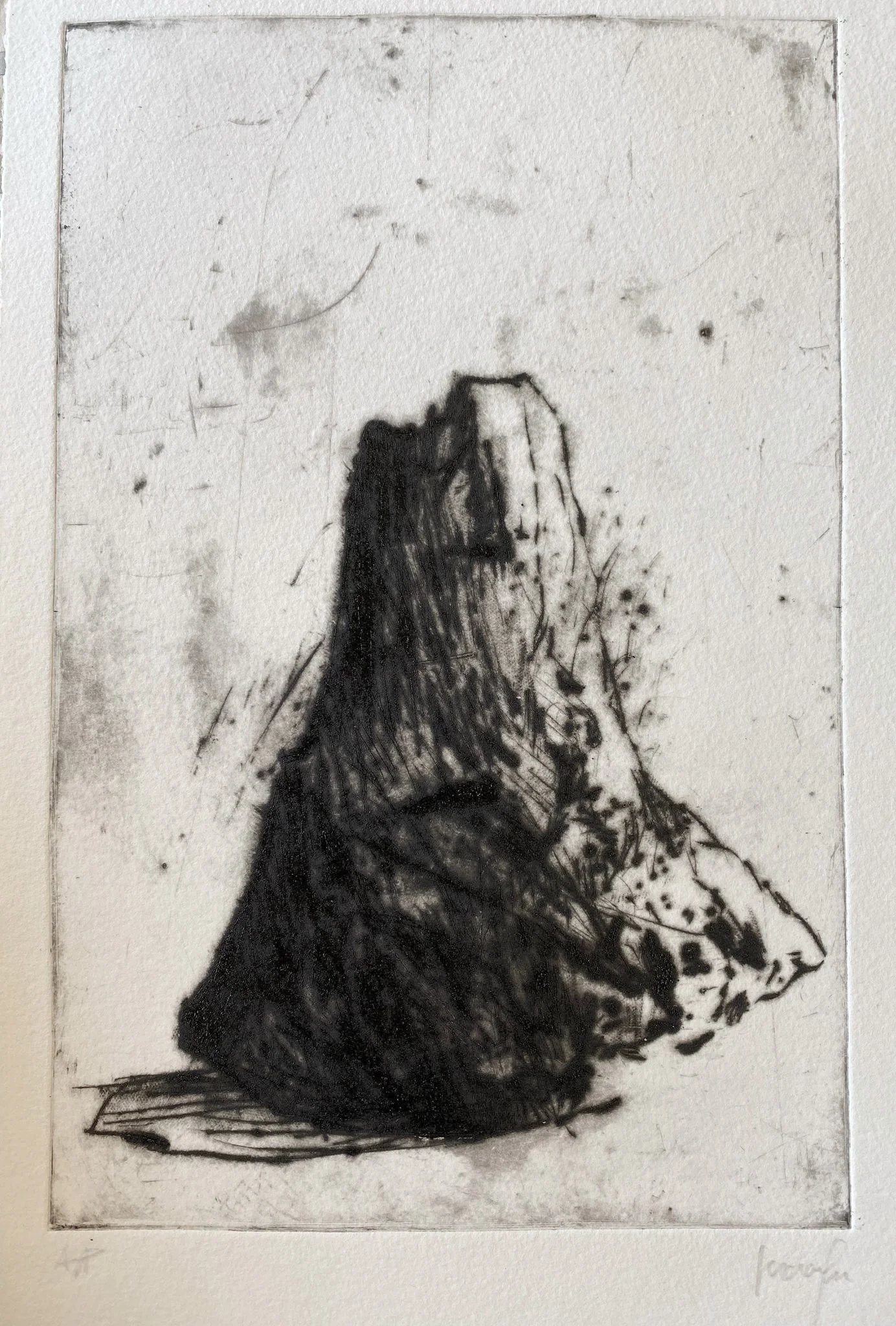
Join Francesco Geronazzo and discover monotype as an open, expressive printmaking process shaped by experimentation, intuition, and material engagement.
Gallery
Prints from the Course
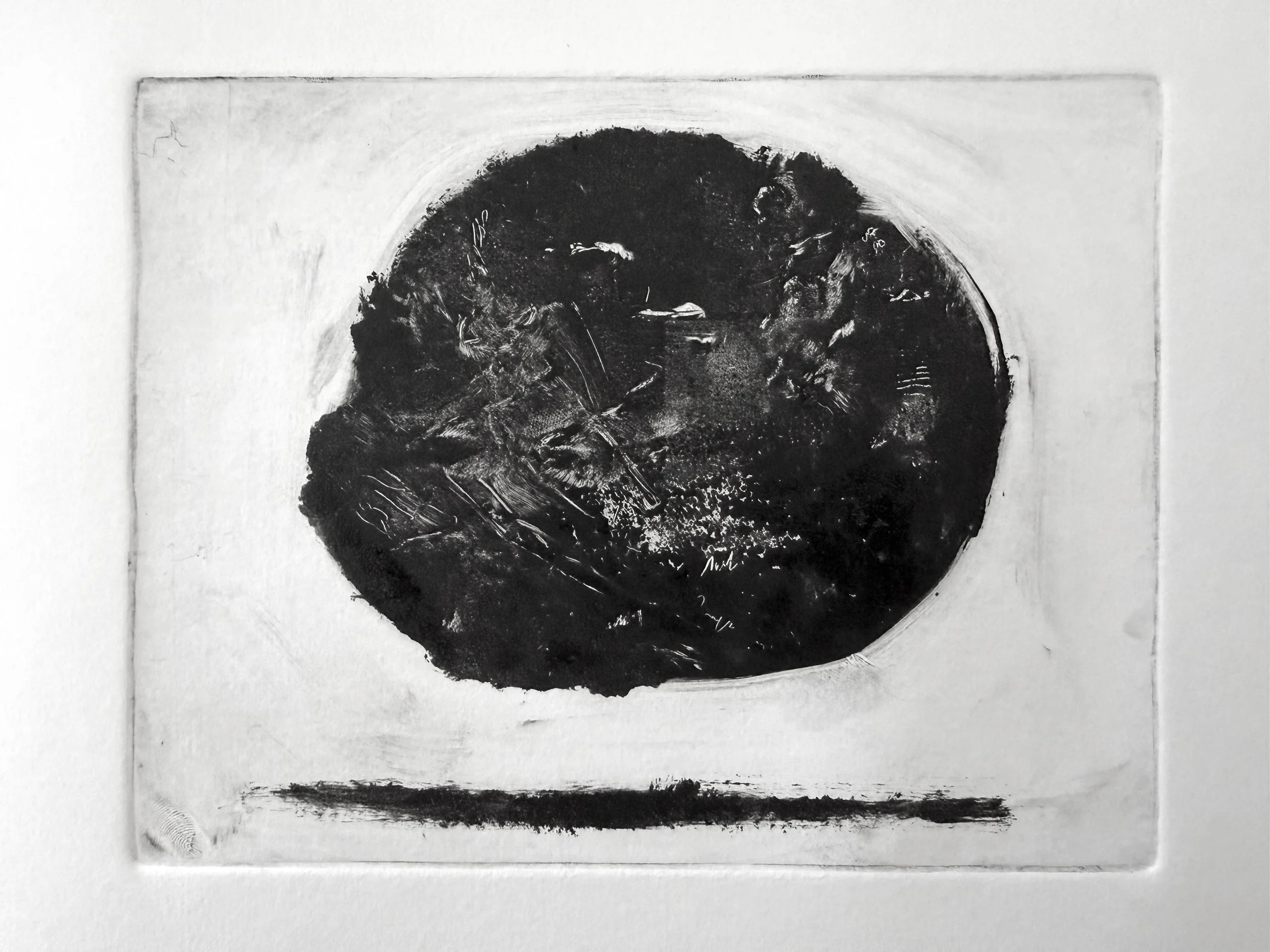
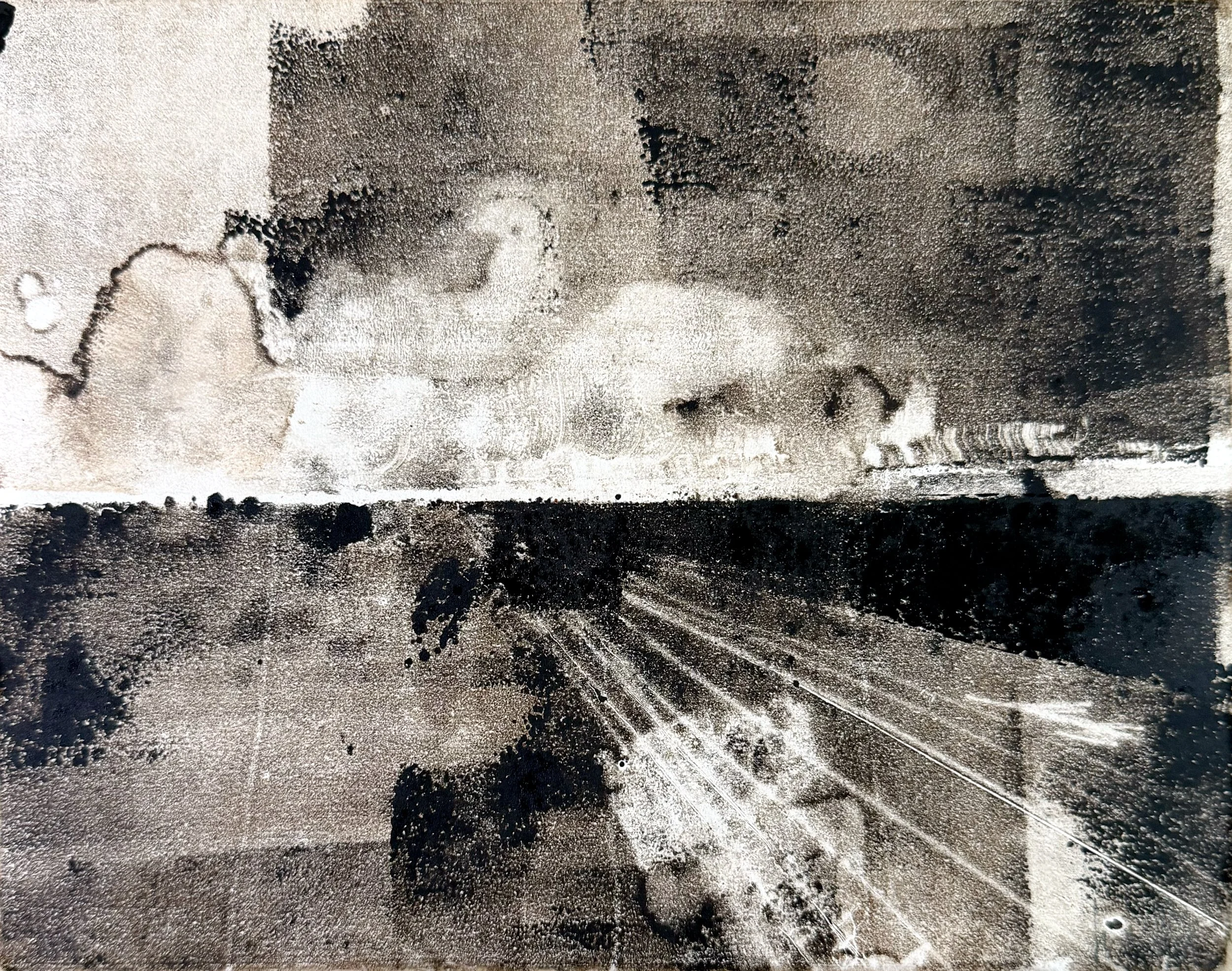
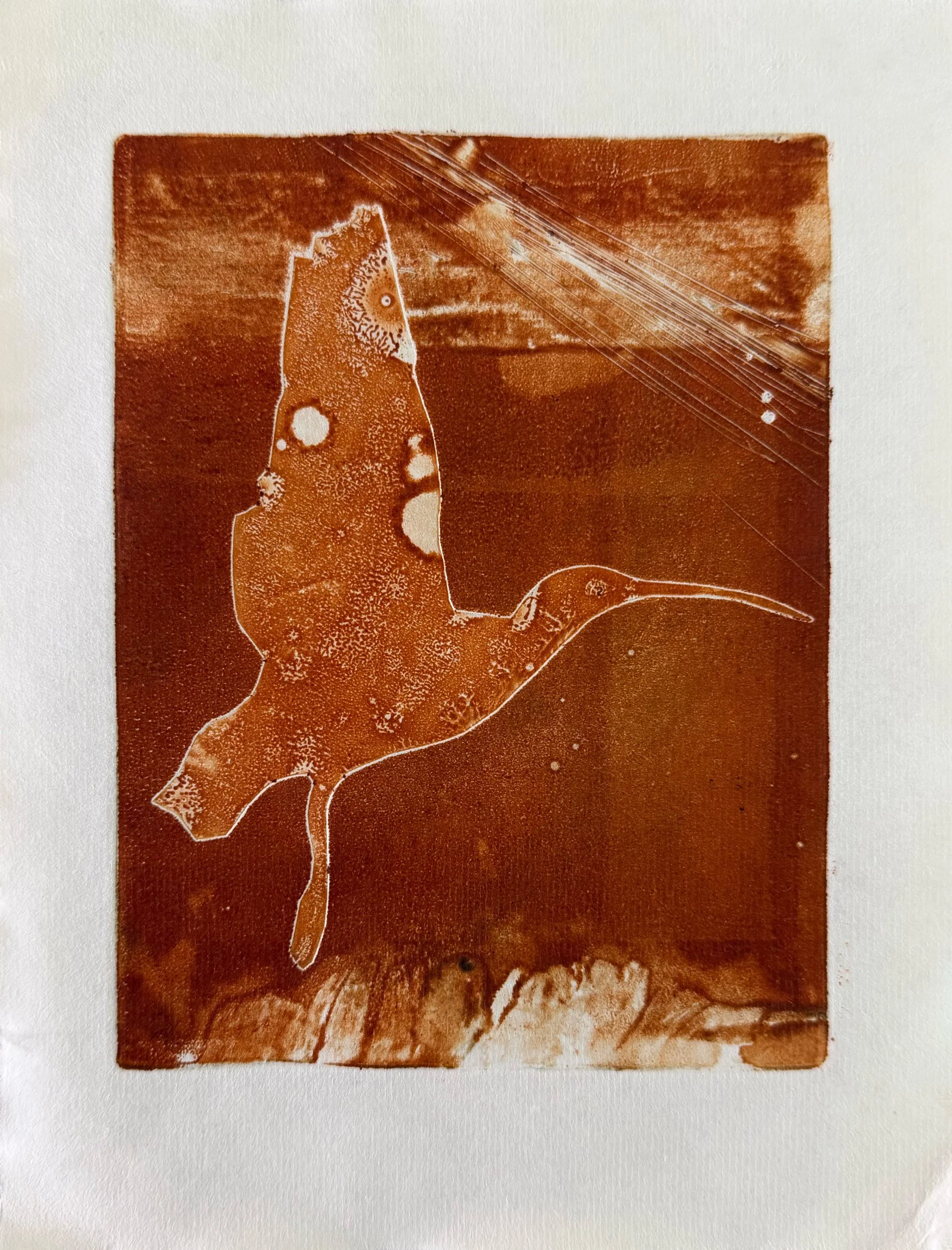
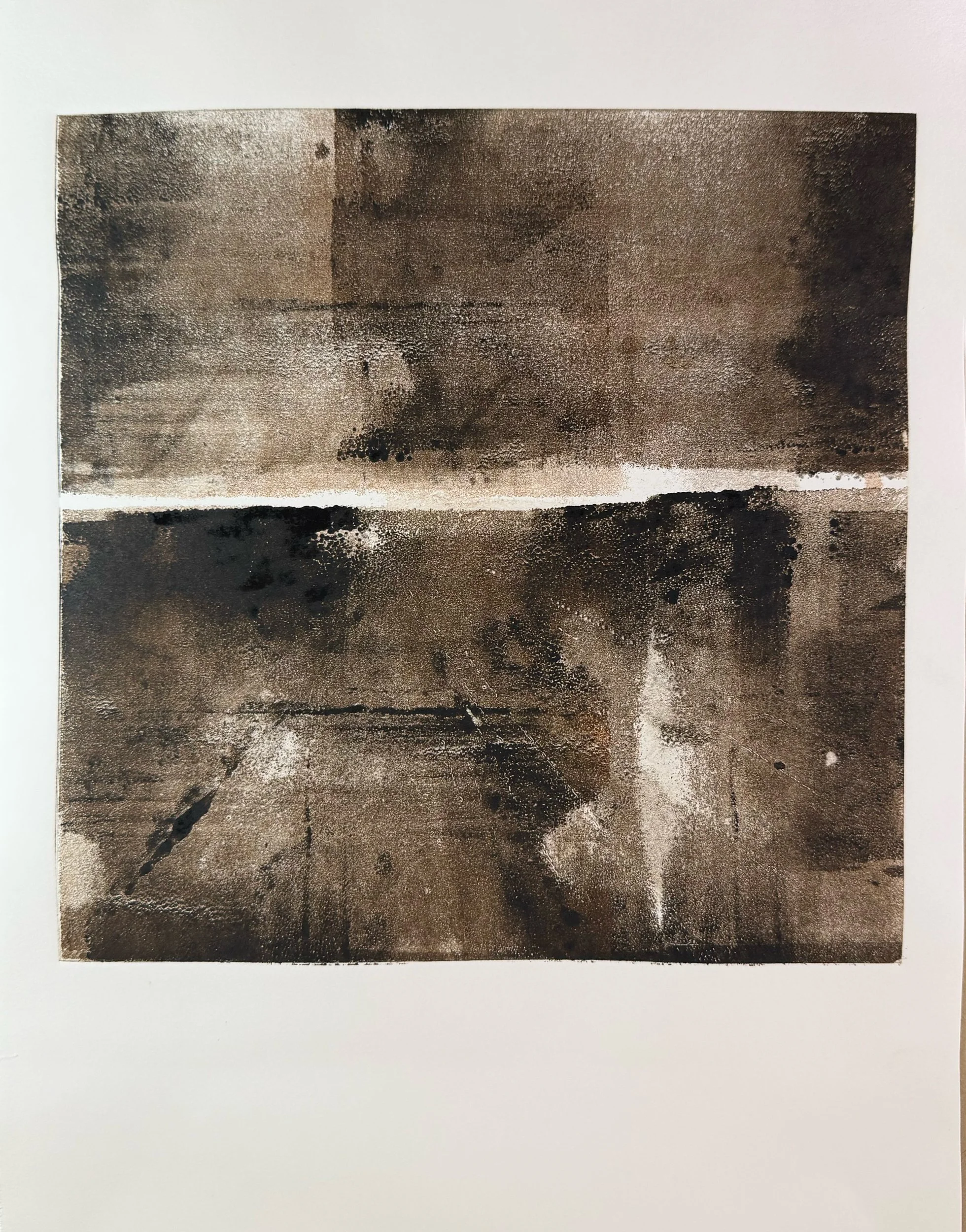
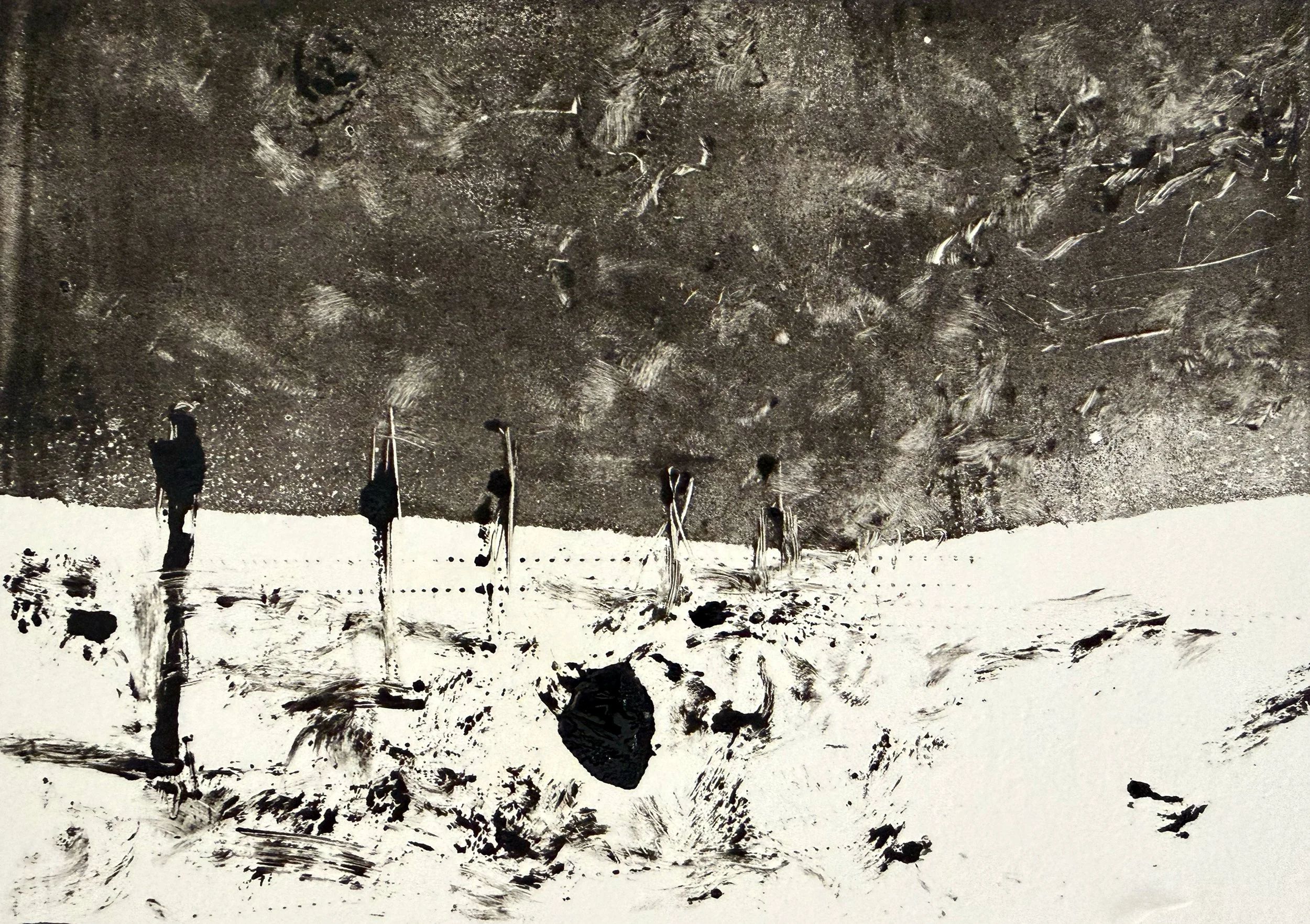
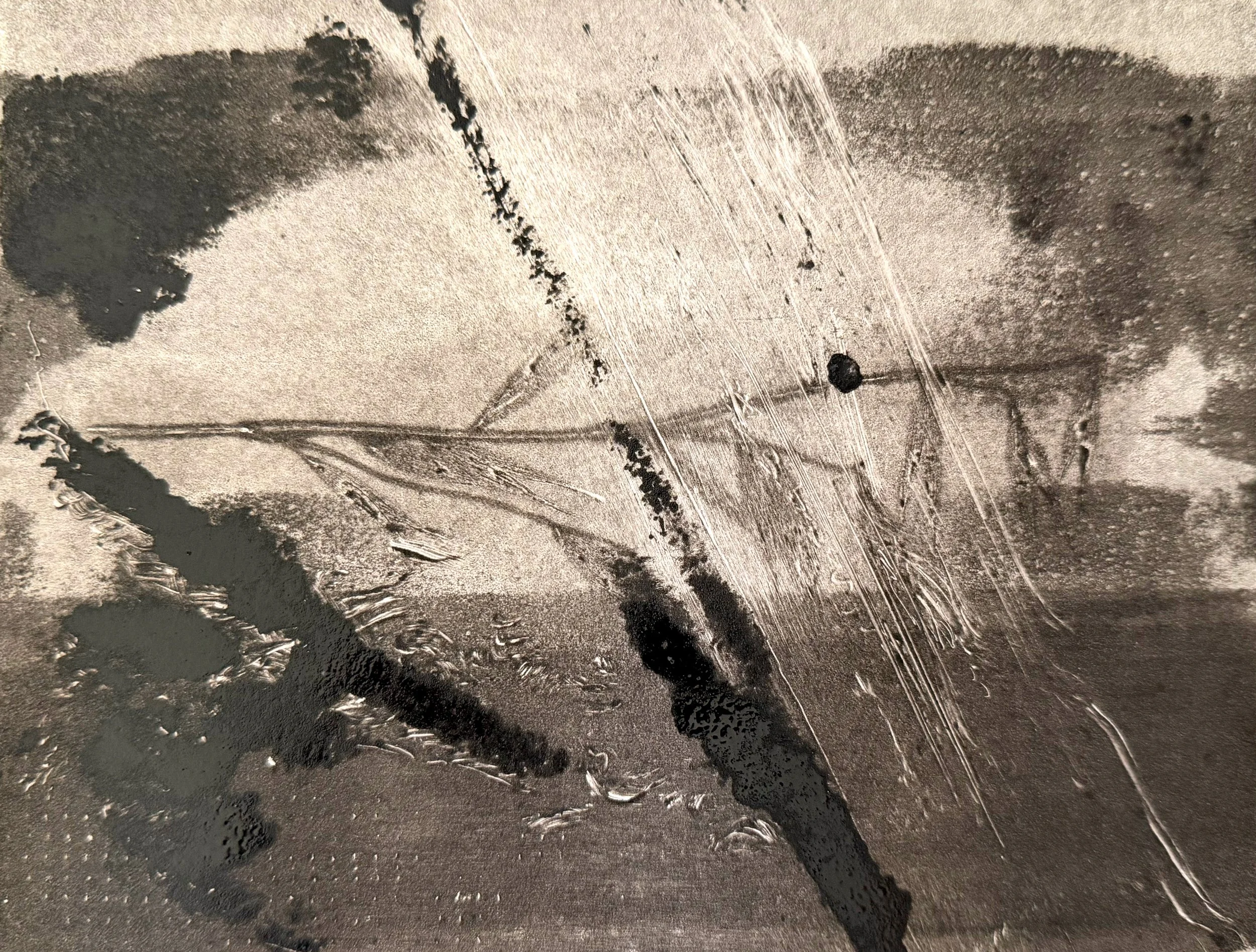
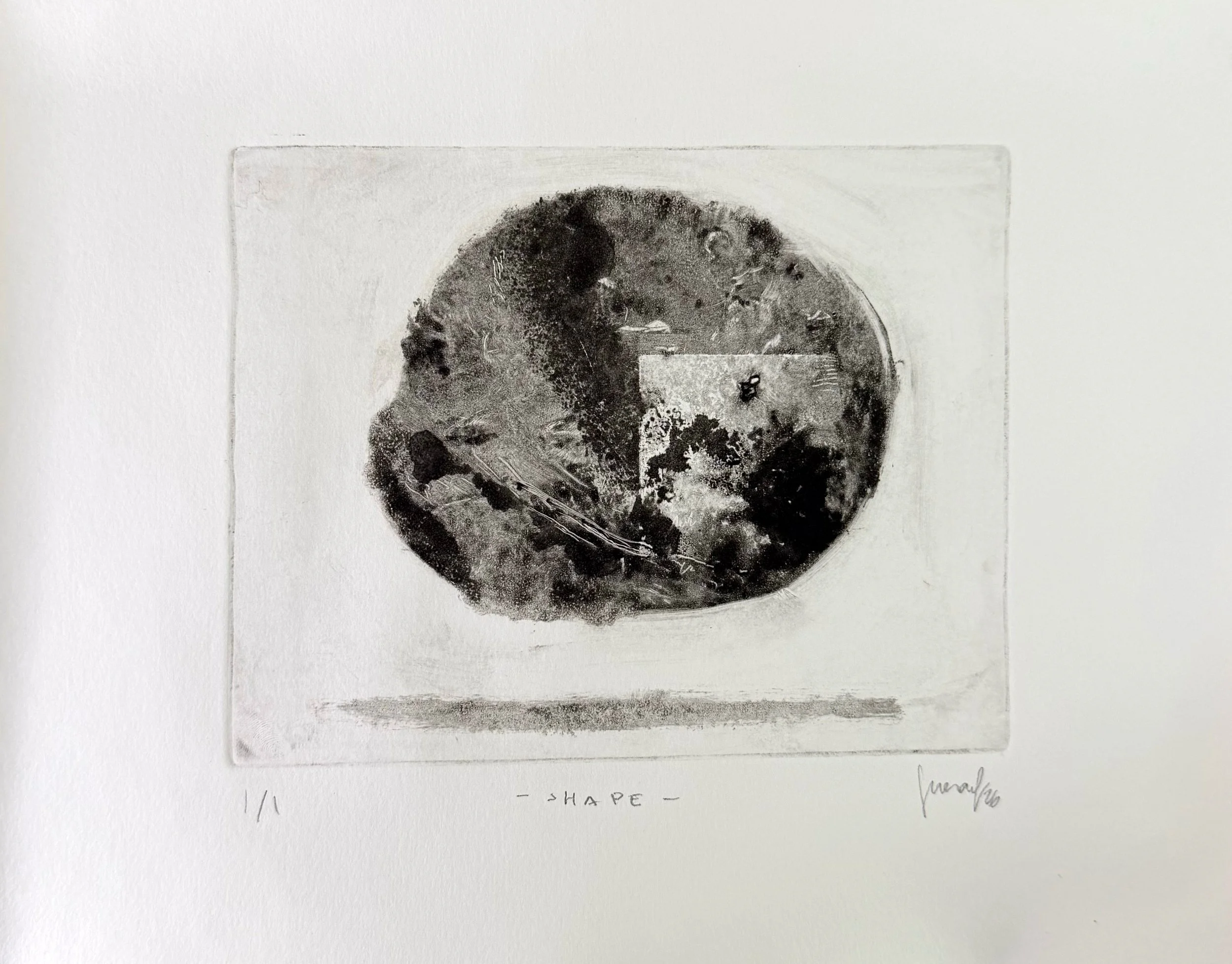
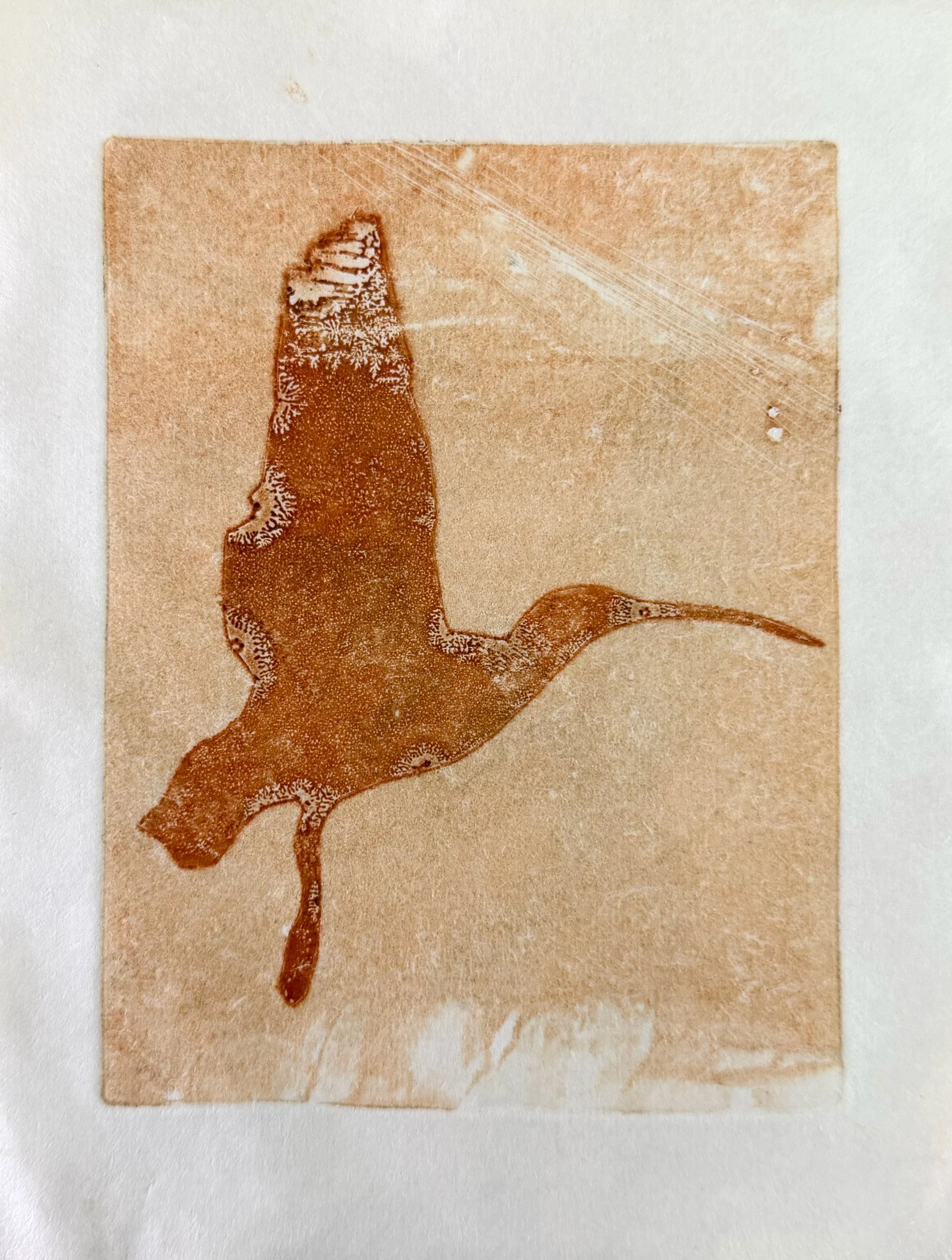
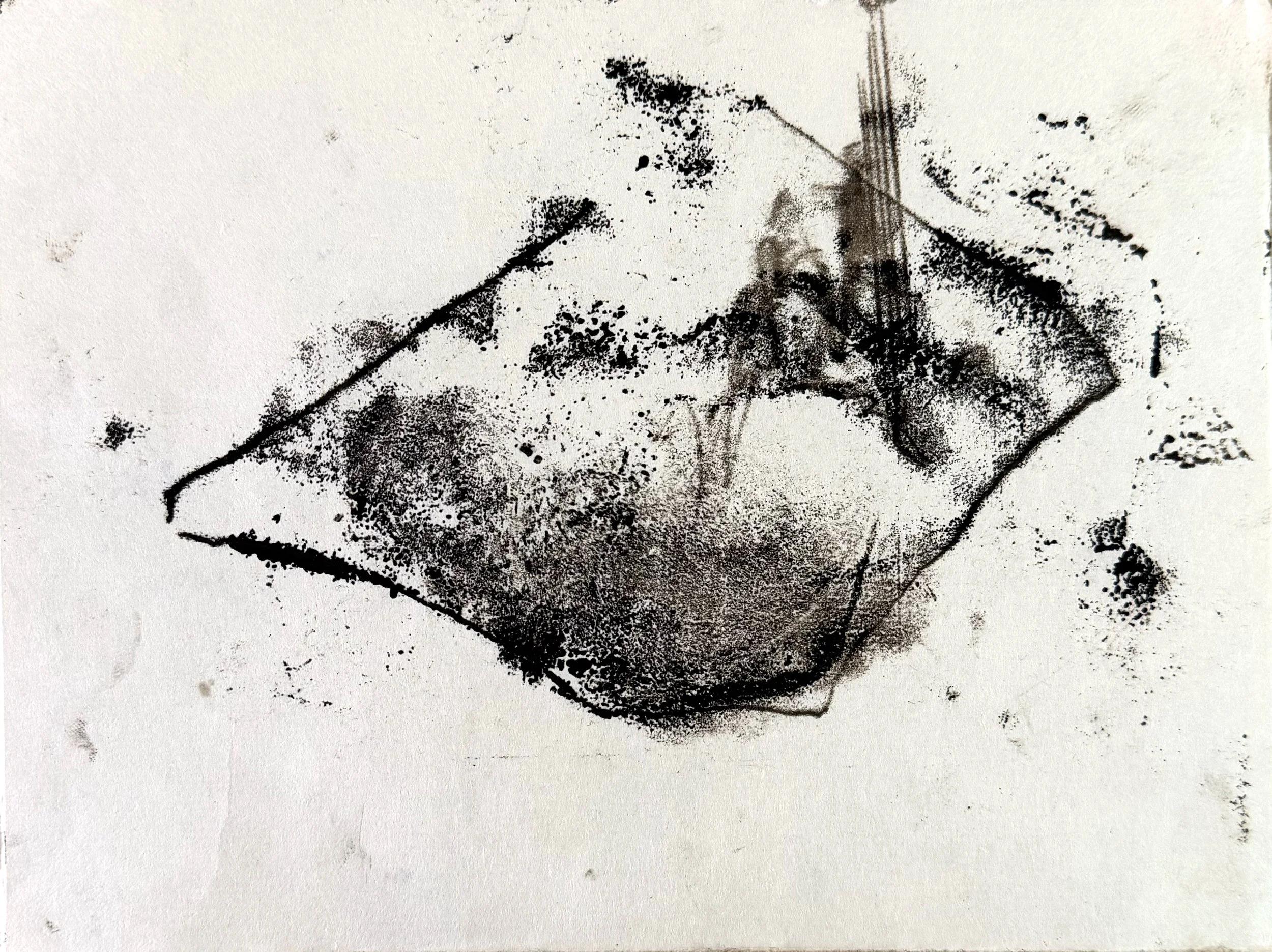
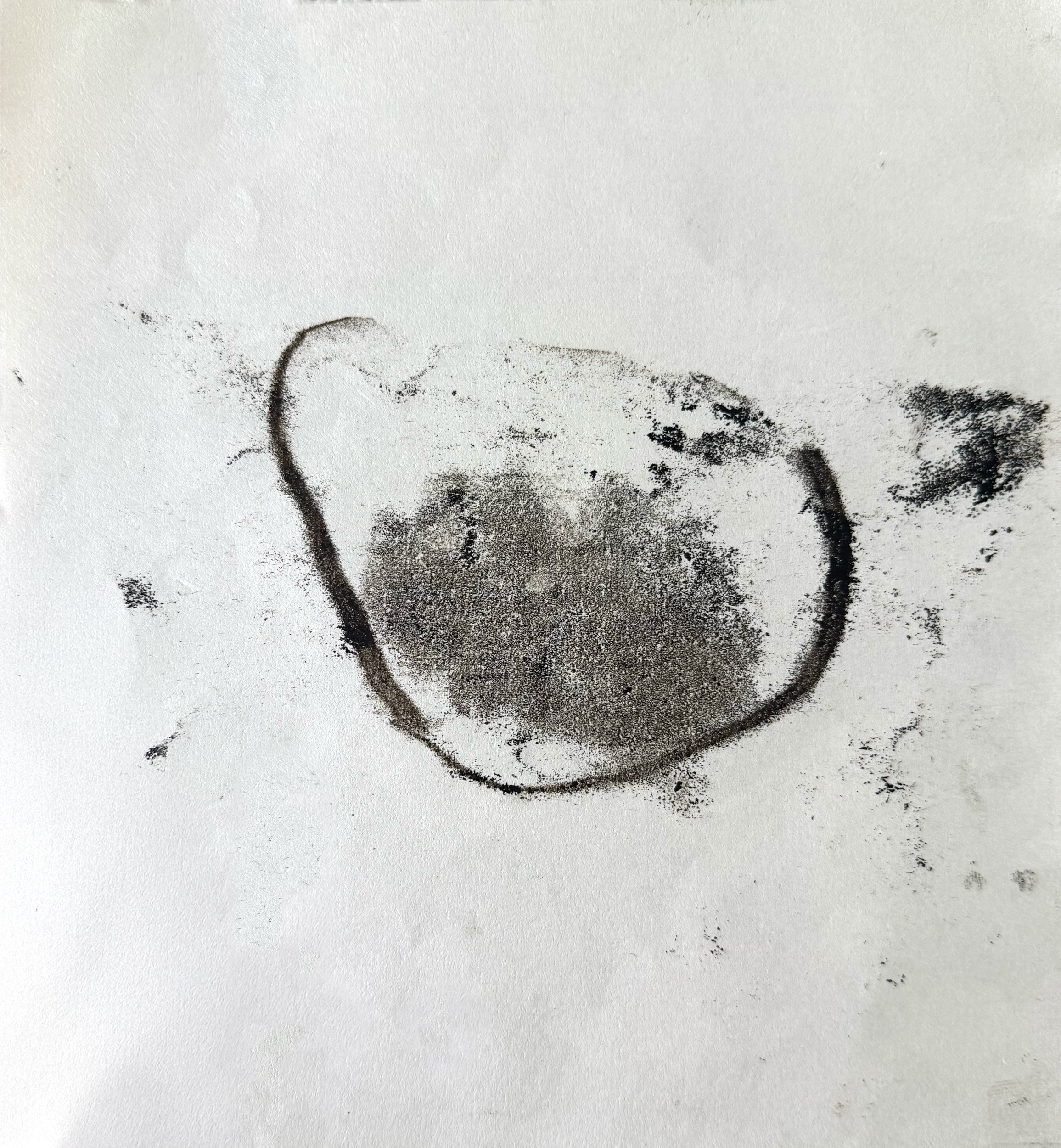
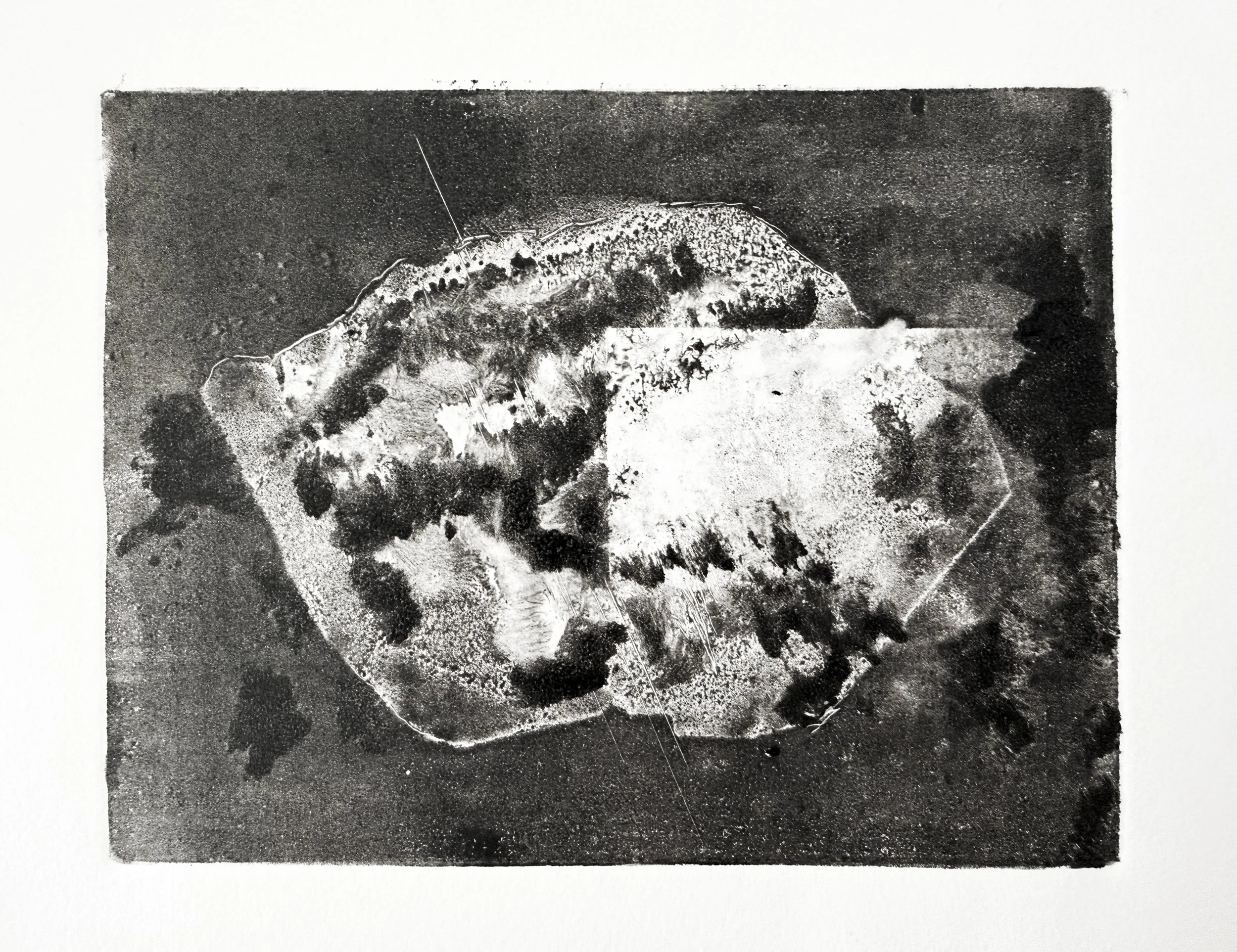
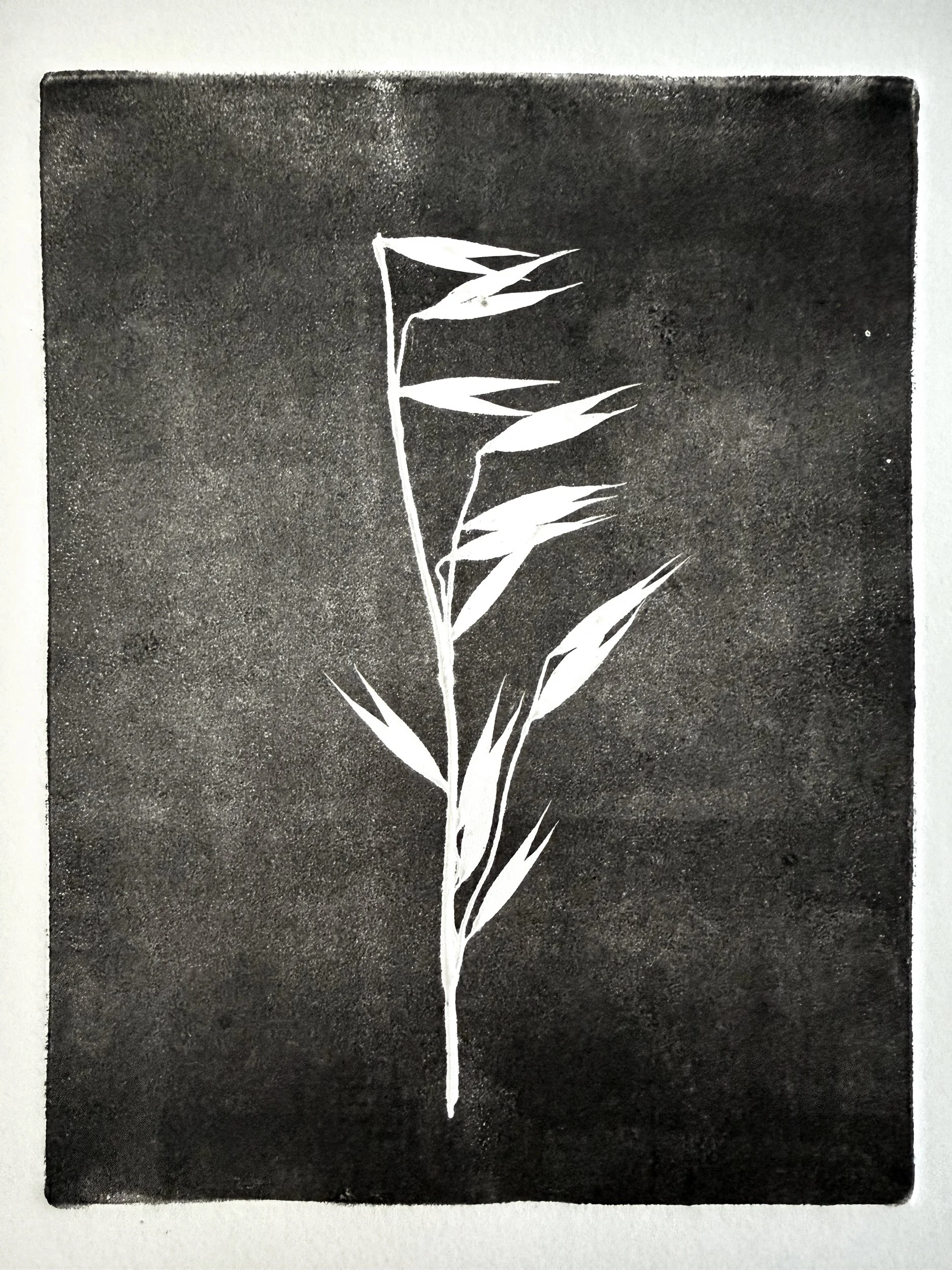
Experimental Monotype Printmaking with Francesco Geronazzo
-
Monotype printmaking is a process that produces unique, one-of-a-kind prints by working directly with ink on a plate and transferring the image onto paper. Unlike edition-based printmaking techniques, monotype emphasizes intuition, gesture, and material interaction, making it a dynamic medium for contemporary art practice.
-
This course explores experimental monotype printmaking through intuitive image-making, material exploration, layering, and responsiveness to chance. Francesco Geronazzo guides participants through methods for generating ideas, working with ink and surface, and developing a personal approach to monotype as a contemporary art practice.
-
Monotype printmaking creates unique, non-repeatable images, whereas techniques like etching, lithography, or woodcut are designed for producing editions. This course emphasizes monotype as a contemporary printmaking practice that values experimentation, immediacy, and expressive surface qualities in contrast to reproducible prints.
-
Yes. This online monotype printmaking course is suitable for artists at various stages of their artistic journey. Beginners will benefit from Francesco’s clear demonstrations and intuitive approach, while experienced artists can deepen their understanding of monotype as a creative and conceptual medium.
-
The course is self-paced, allowing participants to move through the lessons according to their own schedule. To complete the course, you will need access to basic monotype printmaking materials and a simple studio setup. Specific material requirements are explained within the course after enrolment.
-
By taking this workshop, you will develop greater confidence in working intuitively with printmaking processes, strengthen your visual language, and gain practical strategies for integrating monotype into your personal art practice. The course supports creative risk-taking, conceptual development, and a deeper engagement with monotype as a contemporary art form.
-
The Old Masters who loved monotype printmaking:
Giovanni Benedetto Castiglione (1609–1664): The "inventor" of the monotype. He was an Italian Baroque artist who first realized you could simply paint on a clean plate and pull a single, beautiful print.
William Blake (1757–1827): He called his monotypes "printed paintings." He used thick, tacky pigments to create wild, textured images that he would later touch up with ink and watercolor.
Edgar Degas (1834–1917): The absolute king of the monotype revival. He loved the medium because it was "drawn" but had the soft, atmospheric look of a print. He often used a "ghost print" as a base for his famous pastel drawings of dancers.
Paul Gauguin (1848–1903): He invented the "Trace Monotype"—inking a sheet, laying paper on top, and drawing on the back to get those iconic "fuzzy" lines that look like a dark, mysterious memory.
-
Modern & Contemporary, the Icons who uses or used the Monotype Printmaking in their art practice:
Henri Matisse & Pablo Picasso: Both of these legends used monotype to "loosen up." Matisse used the subtractive method to scratch white, flowing lines into black ink, while Picasso produced over a hundred monotypes, often experimenting with bold, gestural faces.
Tracey Emin: One of the most famous living artists to use the medium. Her monoprints are raw, scratchy, and deeply personal, almost like reading a private diary entry.
Kiki Smith: Known for her ethereal and powerful work involving the human body. She uses the delicate, skin-like quality of monotype to explore themes of identity and nature.
Elizabeth Peyton: She is a superstar in the contemporary art world (with major shows at the MoMA). She uses monotype to create fast, vibrant portraits of celebrities and friends, capturing a "fleeting moment" that feels alive.
Julie Mehretu: A world-renowned contemporary artist who uses layered printmaking (including monotype elements) to create massive, complex works that look like architectural maps or explosions of energy.